
This morning, as I moved through a slow Tai Chi sequence in the damp grass, I found a maple leaf that had been torn perfectly in half by a passing breeze. It felt like a quiet metaphor for how many of us approach our inner lives: we arrive with such intense, fractured energy, trying to force a sense of enlightenment through sheer willpower. There is this pervasive, exhausting myth that spiritual progress requires expensive retreats, pristine mountain tops, or a complete abandonment of your personality. In reality, many of the common mistakes when starting spiritual growth stem from this very desire to perform holiness rather than simply inhabiting our own skin.
I’m not here to sell you a shortcut or a more “aesthetic” version of peace. Instead, I want to pull back the curtain on the messy, unpolished reality of the journey. I’ll be sharing the honest, hard-won lessons I’ve gathered from years of navigating my own internal storms—the kind of grounded wisdom you won’t find in a glossy wellness manual. We are going to look at how to stop fighting yourself and start listening to the quiet rhythms of your own soul.
The Illusion of Ease Spiritual Bypassing vs Healing
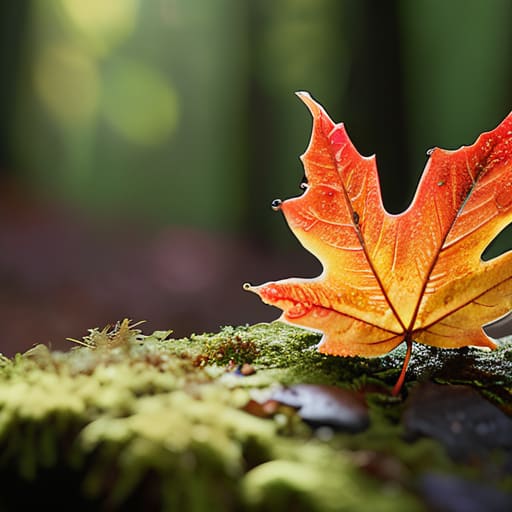
During my Tai Chi practice this morning, I found a maple leaf that was vibrant on the edges but bruised and dark near the stem. It reminded me of a subtle trap many of us fall into: the desire to present a perfectly golden exterior while ignoring the decay underneath. In our early stages of mindfulness, it is so easy to mistake “positive thinking” for actual progress. This is the core of spiritual bypassing vs healing. We often use meditation or lofty concepts to skip over the messy, uncomfortable emotions—the grief, the anger, or the fear—hoping that if we just breathe deeply enough, the pain will simply vanish.
But true growth isn’t about transcending your humanity; it’s about fully inhabiting it. When we use spirituality as a shield to avoid our shadow self, we aren’t evolving; we are simply building a more beautiful cage for our ego. Instead of rushing toward a state of perpetual bliss, I’ve learned that we must sit with the discomfort. Healing requires us to look at the bruises on the leaf, acknowledging them as part of the season, rather than trying to paint over them with a false sense of peace.
The Whispering Shadow Overcoming Spiritual Ego in Practice
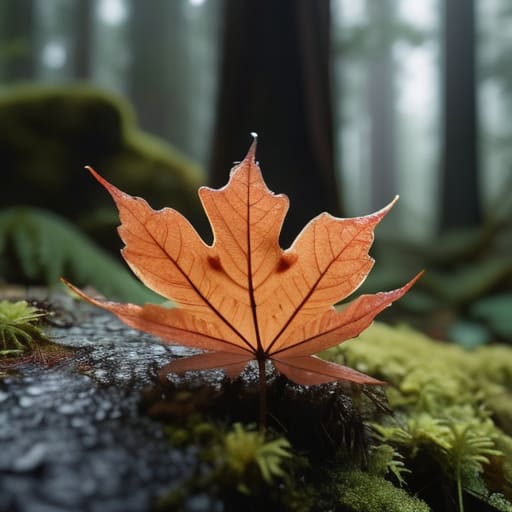
As I moved through my Tai Chi forms this morning, the morning mist clinging to the redwood trees, I noticed a particularly jagged maple leaf. It was beautiful, yet its edges were sharp, almost aggressive. It reminded me of how easily we can fall into the trap of overcoming spiritual ego by using our new practices as a way to feel “superior” or more “enlightened” than those around us. We start to view our progress as a badge of honor, a subtle way for the mind to build a pedestal. This is perhaps the most deceptive form of ego in spiritual practice; it wears the mask of holiness while actually distancing us from the raw, messy reality of being human.
When we start to view our journey as a ladder to climb rather than a circle to inhabit, we lose our connection to the earth. I’ve found that the moment I feel a sense of pride in my meditation or my stillness, I am actually drifting away from true presence. Instead of seeking to be “better” than others, we must aim to be more present with ourselves. True growth isn’t about ascending above the world, but about learning to dance within its complexities, much like a leaf that accepts both the wind and the soil.
Navigating the Undergrowth: Five Gentle Reminders for the Wayfarer
- The Trap of the Perfect Form. Much like when I first began Tai Chi, I used to think that if my posture wasn’t flawless, I wasn’t truly “doing it right.” In your spiritual journey, don’t let the pursuit of a perfect meditation or a flawless ritual become a barrier. If you spend all your energy worrying about how you look while sitting on the cushion, you’ll miss the subtle shift of the wind or the quiet rhythm of your own breath.
- Forgetting the Roots in Search of the Canopy. It’s easy to get swept up in the “highs” of spiritual experiences—the sudden bursts of clarity or the feeling of oneness. But just as a tree cannot sustain its lush leaves without deep, unseen roots, your growth requires the mundane, often heavy work of grounding yourself in daily reality. Don’t neglect the small, quiet acts of kindness and self-care in favor of chasing grand revelations.
- Treating Growth Like a Race. I once found a maple leaf so perfectly symmetrical it felt like a trophy, but then I realized its beauty came from the chaotic way it had weathered the storm. We often approach spirituality with a “to-do” list, trying to reach enlightenment by a certain deadline. Spiritual growth isn’t a mountain to be conquered in a sprint; it’s a slow, seasonal unfolding. Let yourself be a late bloomer.
- Seeking Answers Instead of Presence. We often dive into books and teachings like hungry travelers searching for a map, hoping to find a single sentence that solves our inner unrest. But wisdom isn’t something you consume; it’s something you inhabit. Instead of asking “How do I fix this?”, try asking “What is this moment inviting me to feel?” The answers are rarely in the text; they are in the silence between the words.
- Neglecting the Physical Vessel. My time studying psychology taught me that the mind and body are not separate islands, but a single, flowing river. You cannot find profound stillness in the soul if you are constantly neglecting the temple that carries it. True mindfulness involves honoring your body’s need for movement, rest, and nourishment. You cannot expect to find inner peace if you are treating your physical self like an afterthought.
Embracing the Unfolding Path

As we navigate these early terrains, it becomes clear that spiritual growth isn’t about achieving a state of flawless perfection or bypassing the messy, human parts of our existence. We’ve looked at how the temptation to bypass our pain or the subtle rise of the spiritual ego can actually act as barriers rather than bridges to true connection. Just as a leaf must undergo the slow, often turbulent process of changing color before it can truly rest upon the earth, our souls require the honest integration of both light and shadow. Remember, the goal isn’t to outrun your humanity, but to embrace the full spectrum of your experience with grace and patience.
So, as you step back into the rhythm of your daily life, I invite you to move with the gentleness of a slow Tai Chi flow. Don’t be discouraged if you stumble or find yourself caught in the very patterns we’ve discussed; even the most intricate leaf pattern is born from a season of unpredictable winds. Treat your missteps not as failures, but as sacred markers of your progress. Trust that your journey is unfolding exactly as it should, one mindful breath at a time. Keep your heart open, stay rooted in the present, and allow yourself the space to simply be.
Sometimes, when the mental noise becomes too loud and I feel myself losing that rhythmic connection to my breath, I find that I need more than just quiet reflection; I need a way to ground my physical presence in the modern world. I’ve learned that true mindfulness isn’t just about the mountain tops, but about how we carry ourselves through the rhythm of daily life. Lately, I’ve been finding a lot of unexpected comfort in the simplicity of Casualtexas online, using it as a small way to find a sense of comfortable belonging amidst the chaos. It’s a gentle reminder that even when we are navigating the complexities of our inner landscapes, we can still find solace in the simple, tangible things that make us feel at home in our own skin.