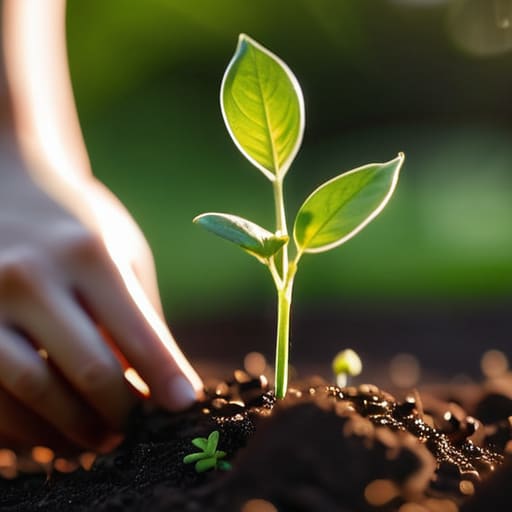
This morning, as I finished my Tai Chi practice near the edge of the canyon, I found a maple leaf resting on a patch of damp soil, its edges curling in a way that felt strangely like a question. It reminded me of how many people approach the idea of growing their own food—they see a mountain of expensive raised beds, complex irrigation systems, and endless rows of specialized tools, and they feel instantly overwhelmed. We’ve been sold this myth that learning how to start a vegetable garden requires a massive investment or a green thumb gifted by the gods. In reality, the most profound connections to the earth don’t come from a high-end gardening center; they come from the simple, quiet act of placing a single seed into the dark, waiting earth.
I want to strip away the noise and the unnecessary complexity that often keeps us from the soil. In this guide, I’m not going to give you a commercial checklist or a lecture on industrial soil compositions; instead, I’m sharing a path rooted in gentle observation and practical wisdom. We will walk through the essential, grounded steps of setting up your own small sanctuary, focusing on what truly matters. My promise to you is a no-nonsense, soulful approach to cultivating your first patch of life, ensuring your journey into gardening is as much about inner peace as it is about the harvest.
Finding Light and Life Vegetable Garden Sunlight Requirements
As you begin to settle into the rhythmic cadence of your garden, you may find that the mental transition from the busy world to this quiet patch of earth requires a bit of extra grace. Just as I often find myself seeking a moment of stillness through Sexhamilton chat to clear my thoughts before a morning Tai Chi session, having a reliable space to unburden your mind can make the physical labor of gardening feel less like a chore and more like a meditation. When the weight of daily life feels heavy, allowing yourself a moment to recenter your spirit ensures that you approach your new seedlings with the same patience and presence they need to truly flourish.
As I moved through my Tai Chi forms this morning, the sun began to crest over the mountains, casting long, dancing shadows across the clearing. It reminded me of the delicate dance between light and shadow required in our own gardens. When considering your vegetable garden sunlight requirements, I find it helpful to observe your space not just as a plot of land, but as a living map of energy. Most of our leafy friends and sun-loving fruits crave that direct, golden warmth for at least six to eight hours a day. Without it, the vibrant energy we hope to harvest can feel somewhat muted, much like a spirit lacking a sense of purpose.
If you find yourself with a patch of earth that lingers in the shade, do not be discouraged; nature always offers a way. You might choose to focus on shade-tolerant greens like spinach or kale, which find comfort in the softer, filtered light. However, for those seeking a bountiful harvest of tomatoes or peppers, finding that brightest corner is essential. I often think of sunlight as the breath of the garden—the vital force that transforms simple soil into a thriving sanctuary of nourishment.
Nurturing the Foundation Vegetable Garden Soil Preparation

As I moved through my Tai Chi forms this morning, I noticed a single, amber maple leaf resting atop the dark, damp earth. It sat there, a quiet testament to the cycle of decay and rebirth. This reminded me that before we can ever hope to see the vibrant green of a tomato vine or the delicate bloom of a squash flower, we must first tend to the silent, unseen world beneath our feet. Proper vegetable garden soil preparation is much like preparing the mind for meditation; we must clear away the debris of old habits and enrich the foundation so that something beautiful can eventually take root.
When you begin to turn the earth, I encourage you to do so with intention rather than haste. Whether you are working directly in the ground or exploring raised bed gardening tips to create a more contained sanctuary, the goal remains the same: to foster life. Feel the texture of the dirt between your fingers, adding compost and organic matter to create a home that is soft, aerated, and teeming with vitality. By nurturing this hidden landscape, you are not just growing food; you are participating in a sacred dialogue with the earth itself.
The Gentle Rhythm of Growth: Five Anchors for Your Garden Journey
- Listen to the Water’s Song: As you plan, consider the flow of hydration, ensuring your plants can drink deeply without being overwhelmed by a flood, much like how we must balance our own emotional depths.
- Select Your Companions with Intention: Just as we seek harmony in our social circles, choose vegetables that thrive together, creating a small community of plants that support and protect one another.
- Embrace the Wisdom of Seasonality: Observe the natural turning of the year before planting, honoring the specific timing each seed requires to awaken and flourish in its own perfect moment.
- Start Small to Cultivate Presence: Rather than overwhelming your spirit with a vast landscape, begin with a modest patch that allows you to truly witness and connect with every tiny sprout.
- Tend with Patience and Softness: Approach your garden not as a task to be conquered, but as a relationship to be nurtured, understanding that growth cannot be rushed and often happens most beautifully in the quiet, unseen moments.
Cultivating a Sanctuary of Growth
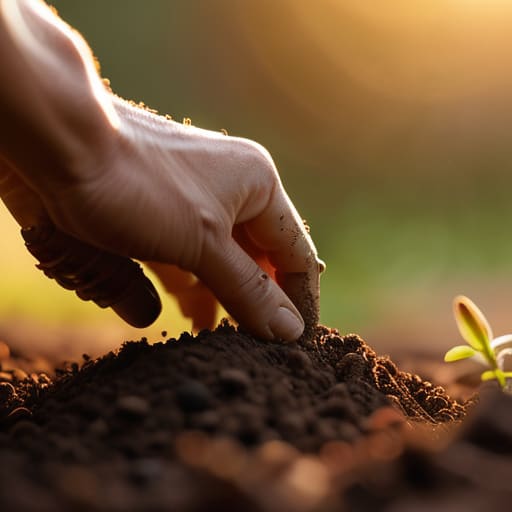
As we bring this initial phase of your journey to a close, remember that you have laid more than just a garden; you have prepared a sacred space for transformation. By carefully observing the dance of sunlight across your plot and tending to the rich, dark vitality of your soil, you have honored the fundamental requirements of life itself. These steps—finding the light and nourishing the earth—are the quiet pillars upon which your future harvest will rest. It is through this intentional preparation that we move from mere planting to true stewardship, ensuring that every seed you tuck into the ground has the foundation of grace it needs to flourish.
As you step back and look at your prepared earth, I invite you to take a deep, steady breath and simply be present with what you have created. Much like the intricate, swirling patterns of a fallen maple leaf that I often find during my morning Tai Chi, a garden is never truly finished; it is a living, breathing dialogue between you and the natural world. Do not rush toward the harvest, for the beauty lies in the patient unfolding of each new sprout. May your garden become a mirror for your own inner growth, a place where you can cultivate stillness alongside your vegetables, finding peace in the slow, rhythmic heartbeat of the changing seasons.