
I once stood in the middle of my room, drowning in a sea of clothes that screamed regret. That floral shirt that seemed charming in the harsh fluorescent lights of a sale rack now whispered “mistake” every time I caught a glimpse of it. My closet had become a chaotic museum of impulse buys and forgotten fads, each piece a tangible reminder of my fashion crimes. It was a mess—one that needed more than just a good Marie Kondo-ing. It needed a revolution. That’s when I realized: my wardrobe didn’t just need a makeover; it needed a soul.
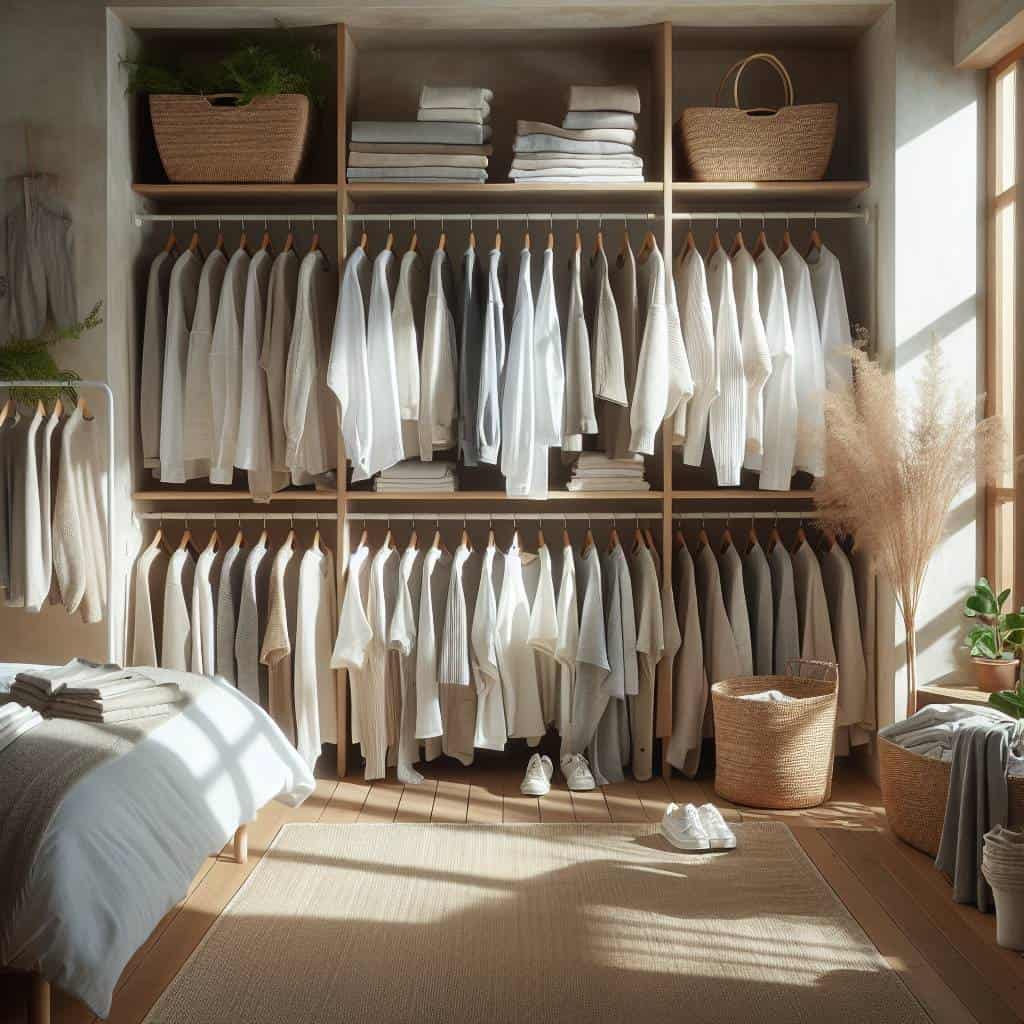
So, here we are, ready to tear down and rebuild with intent. I want to invite you on this journey to create a wardrobe that’s not just about less, but about better. We’re diving into the art of the capsule closet, embracing slow fashion, and taking a hard look at what it means to be a conscious consumer. This article isn’t just a guide—it’s a manifesto for those who want their clothes to reflect not just style, but values. Let’s dismantle the chaos and rebuild something meaningful, one piece at a time.
Table of Contents
How I Ditched Fast Fashion: My Rocky Journey to Conscious Closet Bliss
Picture this: a closet bursting at the seams with cheap, trendy clothes that would probably disintegrate under the weight of their own insignificance. That was my reality not too long ago. Fast fashion had me in its clutches, whispering sweet nothings about affordability and style. But the truth? My wardrobe was a cacophony of polyester and poor choices, each piece a testament to impulse and ignorance. It took hitting a wall—or rather, a mountain of clothes I never wore—to realize I needed a change. I wanted a wardrobe that echoed the stories of my childhood, where each garment had a tale, a purpose, a reason to exist.
So, I embarked on a journey to redefine my relationship with clothing. It wasn’t easy. The allure of the quick fix, the rush of a new buy—these habits die hard. But I was determined to step off the fast fashion treadmill and embrace the slow, steady rhythm of conscious consumerism. I began with a capsule wardrobe—just a handful of versatile, timeless pieces that could mix and match like the colors of a sunrise over my childhood fields. Each item had to earn its place, not just in form but in soul. I learned to appreciate the art of minimalism, where less truly is more, and began to see clothing not as disposable, but as companions on my life’s journey.
The transition wasn’t seamless. There were missteps and moments of doubt—wondering if I was missing out on the latest trend or if this whole conscious thing was just another fad. But then, I’d remember the stories those rustling leaves told, the way nature thrives on balance and harmony. My closet is now a reflection of that ethos, a curated collection that speaks to the heart, not the hype. And that, my friend, is how I found my way to conscious closet bliss.
Threads of Thought
In the tangled web of fast fashion, clarity comes when you pare down to essentials—a life less cluttered, a conscience more clear.
The Threads That Bind Us
Standing here now, in front of a wardrobe that no longer groans under the weight of excess, I feel a peculiar kind of lightness. Each piece whispers a story of intention and purpose, reminding me of the journey from chaos to clarity. It’s not just about the clothes. It’s about the space to breathe, to choose with care, and to embrace a style that’s as much about conscience as it is about fabric. I see now that minimalism isn’t a lack—it’s a fullness of the right things, a reminder that simplicity can be the most profound form of elegance.
And so, this isn’t just a conclusion—it’s an invitation. An invitation to peel back the layers of clutter and noise to find the core of what matters. To step into each day wearing choices that reflect who we are, not just what we own. The threads of our lives are woven with the values we choose to embody. Let’s make them count, one conscious decision at a time.
