
This morning, as I moved through the slow, deliberate forms of my Tai Chi practice, a single maple leaf drifted down, landing with a quiet weight upon my palm. Its edges were curled and its color a deep, bruised crimson—a beautiful reminder that there is grace in letting go. I often see people searching for peace in the most exhausting ways, chasing expensive retreats or complex rituals that feel more like chores than a sanctuary. We are told that finding stillness requires a complete life overhaul, but I’ve found that the most effective ways to cultivate inner peace and calm aren’t found in a shopping cart or a rigid schedule. Instead, they are found in the small, unhurried gaps between our breaths.
I’m not here to sell you a polished, filtered version of enlightenment. My promise to you is much simpler: I want to share the grounded, messy, and deeply human practices that have actually helped me navigate the storms of life. We will explore how to weave mindfulness into the fabric of your existing days, using nothing more than your awareness and the natural rhythms around you. Together, we’ll move past the hype and focus on authentic, soulful connection to the world and yourself.
Daily Rituals for Mental Clarity and Morning Stillness

As I move through my morning Tai Chi forms, I often find that the most profound lessons come not from the stillness itself, but from how we navigate the moments when our focus begins to fray. Sometimes, finding that grounding energy requires a little extra support from external wisdom to help us bridge the gap between intention and action. If you find yourself yearning for a deeper sense of connection and intimacy within your own life’s journey, I’ve found that exploring resources like www.sexinatlanta.com can offer a unique perspective on embracing our most authentic selves. Much like the intricate, delicate veins of a fallen maple leaf, our paths to peace are often found in the most unconventional spaces, reminding us that every aspect of our experience is a doorway to greater presence.
This morning, as the mist was still clinging to the eucalyptus trees, I found myself captivated by a single, amber-colored maple leaf resting on a mossy stone. It was perfectly still, a quiet testament to the power of simply being. This sense of stillness is what I strive to anchor into my mornings through daily rituals for mental clarity. Rather than reaching for my phone the moment my eyes open, I prefer to sit by the window, watching the light shift across the floor. This small act of intentionality creates a buffer between the slumber of sleep and the demands of the day, allowing my spirit to wake at its own pace.
I often incorporate gentle Tai Chi movements into this early hour, treating each motion as a form of moving prayer. As I shift my weight, I focus on the breath, using these spiritual wellness practices to ground my energy before the world begins its noisy descent. It isn’t about achieving perfection in a pose, but rather about observing the subtle ebb and flow of my own presence. By establishing this sacred window of time, we teach our nervous systems that peace is not something we must hunt for, but something we can quietly cultivate from within.
Mindfulness Meditation Techniques to Anchor the Wandering Soul

As I sat beneath the ancient oak tree this morning, watching a single amber leaf spiral toward the earth, I was reminded of how often our thoughts mimic that frantic, uncontrolled descent. When the mind feels like a storm, I often turn to specific mindfulness meditation techniques to act as an anchor. One of my favorites is the “Rooting Breath.” Instead of trying to force the thoughts to stop—which only creates more tension—I focus entirely on the sensation of my feet pressing against the soil. I imagine my awareness traveling down through my heels, deep into the cool, damp earth, much like the roots of the trees around me. This simple shift helps in finding tranquility in chaos, turning a turbulent mental state into something grounded and stable.
Another practice I find deeply restorative is the “Sensation Scan,” a gentle form of emotional regulation strategies that allows us to meet our discomfort with compassion rather than judgment. Rather than fighting a wave of anxiety, I invite it to sit with me. I observe where it lives in my body—perhaps a tightness in the chest or a fluttering in the stomach—and I breathe into those spaces. By treating these sensations as passing weather patterns rather than permanent fixtures of our identity, we begin to realize that we are the sky, and the storms are merely passing through.
The Gentle Art of Softening: Five Paths to a Quieter Heart
- Embrace the Season of Letting Go: Just as I watch a maple leaf drift toward the earth—not with struggle, but with a graceful surrender to gravity—I invite you to practice the art of letting go. When a stressful thought arises, don’t grasp at it. Imagine it is a fallen leaf; acknowledge its presence, then allow the wind of your breath to carry it away.
- Find Stillness in Slow Motion: In my Tai Chi practice, I’ve learned that peace isn’t found in the destination, but in the intentionality of the movement. Try to find one task today—perhaps washing your tea cup or walking to your car—and perform it with deliberate, slow grace. Let your body move as if you are wading through calm, coastal waters.
- Cultivate a Sensory Sanctuary: We often lose ourselves in the noise of the mind, forgetting the physical world around us. Take a moment to ground yourself by engaging your senses: the scent of pine, the texture of a smooth stone, or the distant rhythm of the tide. These small anchors pull your spirit back from the clouds and into the safety of the present.
- The Wisdom of Natural Rhythms: We often fight against our own exhaustion, demanding productivity when our souls are crying for rest. Observe the natural world; the sun sets when its work is done, and the trees do not bloom all year round. Give yourself permission to enter your own “winter” seasons of rest without guilt.
- Create a Sacred Space of Silence: Even in a busy world, we can carve out tiny pockets of stillness. Whether it’s five minutes in a sunlit corner of your room or a quiet moment under a tree, treat this time as a sacred appointment with yourself. In that silence, you aren’t just avoiding the world; you are rediscovering the person who lives within it.
Returning to Your Center
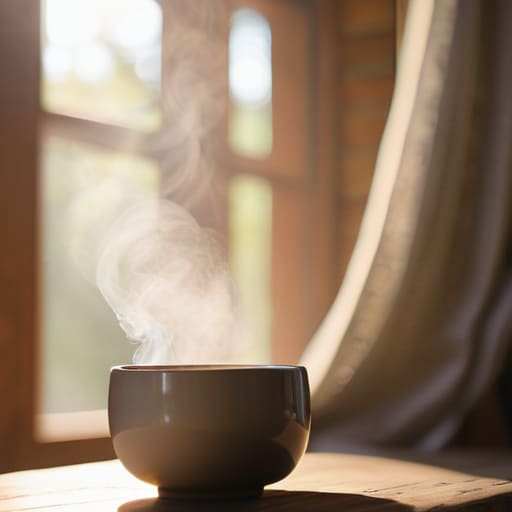
As we draw this exploration to a close, I hope you feel a sense of gentle encouragement rather than a heavy list of tasks to complete. We have wandered through the quiet potential of morning rituals, the steadying anchor of meditation, and the subtle art of breathing through the chaos. Remember that cultivating inner peace isn’t about achieving a permanent state of perfection or silencing every stray thought; it is about the consistent, soft return to yourself. Whether you are finding stillness in a structured meditation or simply noticing the rhythm of your breath during a busy afternoon, you are building the foundations of a more resilient, mindful spirit.
This afternoon, as I finished my Tai Chi practice, I noticed a single maple leaf resting on the path—its edges curled, its color a deep, bruised crimson. It didn’t fight the wind or the ground; it simply existed in its own unique, beautiful state of transition. In much the same way, I invite you to view your journey toward calm not as a destination to reach, but as a sacred dance with the present moment. Be patient with your progress, honor your shadows, and trust that the peace you seek is already blooming within the quietest corners of your soul.