This morning, as I moved through a slow Tai Chi sequence under the canopy of the Santa Barbara hills, I found a maple leaf that had curled into a perfect, tight spiral. It reminded me of how many of us approach our spiritual lives: we try to force ourselves into these rigid, complicated structures, thinking that if we don’t have a velvet cushion, an hour of silence, and a perfectly curated altar, we aren’t doing it “right.” We get lost in the performance of it all, forgetting that the heart doesn’t need a complex manual on how to develop a regular prayer routine. In reality, the most profound connections often happen in the messy, unscripted gaps between our daily chores.
As you begin to find your rhythm, you might occasionally find that the silence of your own thoughts feels a bit too loud or overwhelming to navigate alone. In those moments when my own internal chatter resists the stillness, I often turn to external voices to help anchor my focus, much like how a gentle breeze guides a drifting leaf back toward the earth. I’ve found that engaging with this chat site can be a wonderful way to seek out meaningful connection and shared perspectives when you feel the need to externalize your reflections. It serves as a quiet digital clearing where you can explore the nuances of your spirit, helping you to cultivate a sense of presence that carries you more easily into your deeper prayerful intentions.
I’m not here to sell you a complicated ritual or a high-priced course on spiritual mastery. Instead, I want to share what I’ve learned from years of observing the quiet rhythms of nature and the ebb and flow of my own soul. I promise to offer you honest, grounded guidance rooted in real life—not perfection. We are going to explore how to weave prayer into the existing fabric of your day, turning your moments of stillness into a natural sanctuary that feels as effortless as breathing.
Establishing Daily Prayer Habits Like the Turning Tides

I often find myself watching the Pacific tide roll in near Santa Barbara, a rhythmic, relentless movement that doesn’t ask for permission to exist; it simply is. In much the same way, establishing daily prayer habits isn’t about forcing a rigid structure upon your soul, but rather about aligning yourself with a natural, internal ebb and flow. When I first began my journey, I tried to treat prayer like a chore on a checklist, and it felt heavy and hollow. Now, I see it as the tide—a constant, returning presence that cleanses the shore of my mind.
To find this rhythm, I recommend starting with small, intentional morning prayer practices that mirror the soft light of dawn. Instead of jumping straight into complex litanies, try sitting in the stillness of the early hours, perhaps with a cup of tea, simply acknowledging the breath. As you begin, you might find yourself creating a sacred space for prayer by choosing a specific corner of your home or a particular bench in the park. This physical anchor helps signal to your nervous system that it is time to transition from the noise of the world into the quietude of the spirit.
Morning Prayer Practices to Welcome the Soft Dawn
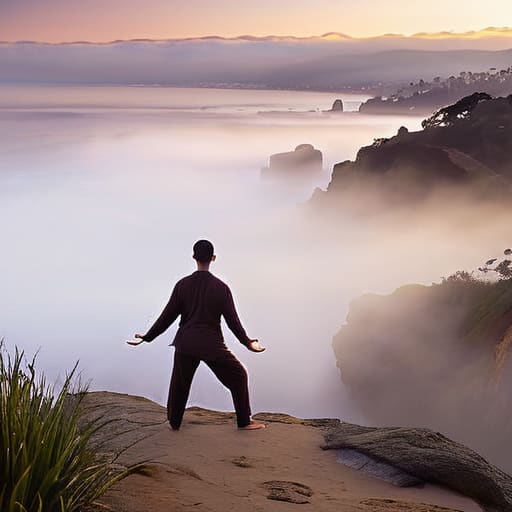
There is a particular kind of magic in the moments just before the world fully wakes, when the light is still a pale, bruised violet and the air feels heavy with possibility. During my Tai Chi practice, I often find that this stillness is the most fertile ground for morning prayer practices. As I move through the slow, deliberate forms, I treat my breath as a bridge between the slumbering earth and my waking spirit. Instead of rushing into the frantic energy of the day, I invite the Divine into the quiet gaps of my movement, letting my first intentions be as soft as the morning mist rolling off the Santa Barbara coast.
To begin, I suggest creating a sacred space for prayer that mirrors this dawn-like tranquility. This doesn’t require an altar; it might simply be a specific corner of your room or a cushion facing a window where the first light creeps in. As you sit, notice the weight of your body and the rhythm of your lungs. If your mind begins to race toward your to-do list, don’t fight it—simply acknowledge the thought and return to your breath, much like a leaf settling gently onto the surface of a still pond.
Finding Your Flow: Five Ways to Anchor Your Spirit
- Seek a Sacred Corner: Just as I find my center in a specific grove of trees during Tai Chi, try to find a small, physical space in your home that feels dedicated to stillness. It doesn’t need to be grand; a specific chair or a sunlit corner by a window can act as a gentle signal to your soul that it is time to arrive.
- Listen to the Silence Between the Words: We often approach prayer as a list of requests, but true connection often lives in the pauses. Allow your routine to include moments of profound stillness, much like the quietude that settles over the Santa Barbara coast just before the sun breaks the horizon.
- Let Your Prayer Breathe with Your Body: If your mind begins to wander—as it inevitably will—don’t fight it with rigid discipline. Instead, tether your spirit back to the present by syncing your intentions with your breath. Let each inhalation be an opening of your heart, and each exhalation a release of what no longer serves you.
- Embrace the Imperfection of the Season: Some days your prayer will feel like a vibrant, blooming spring, and other days it may feel like a brittle, fallen leaf skittering across the pavement. Both are valid. A routine isn’t about achieving a perfect state of grace every day; it’s about showing up, even when your spirit feels weathered.
- Weave Small Moments into the Great Tapestry: You don’t always need an hour of formal ritual to connect. Learn to offer “micro-prayers” throughout your day—a quick moment of gratitude while the coffee brews or a silent breath of peace while waiting in traffic. These small ripples eventually create a deep, steady ocean of mindfulness.
Embracing the Rhythm of Your Soul

As we draw this reflection to a close, remember that building a prayer routine is not about achieving a flawless performance or checking a box on a to-do list. It is about the gentle, consistent movement of returning to yourself, much like the way I return to my Tai Chi forms each morning. Whether you are finding stillness in the soft light of dawn or anchoring your spirit amidst the midday rush, the goal is to create a sacred space within the noise. By weaving these moments of connection into the natural ebb and flow of your day—treating them with the same respect we give the turning tides—you transform prayer from a chore into a lifeline of grace.
As you step away from these words and back into the world, I invite you to be patient with your progress. Some days your prayers will feel as vibrant and clear as a summer sky, while others may feel as quiet and brittle as a fallen leaf resting on the forest floor. Both are valid. Both are part of the journey. Trust that even in the silence, you are growing. Let your practice be a gentle invitation rather than a demand, and watch how, over time, these small moments of devotion begin to bloom into a profound sense of peace that carries you through every season of life.