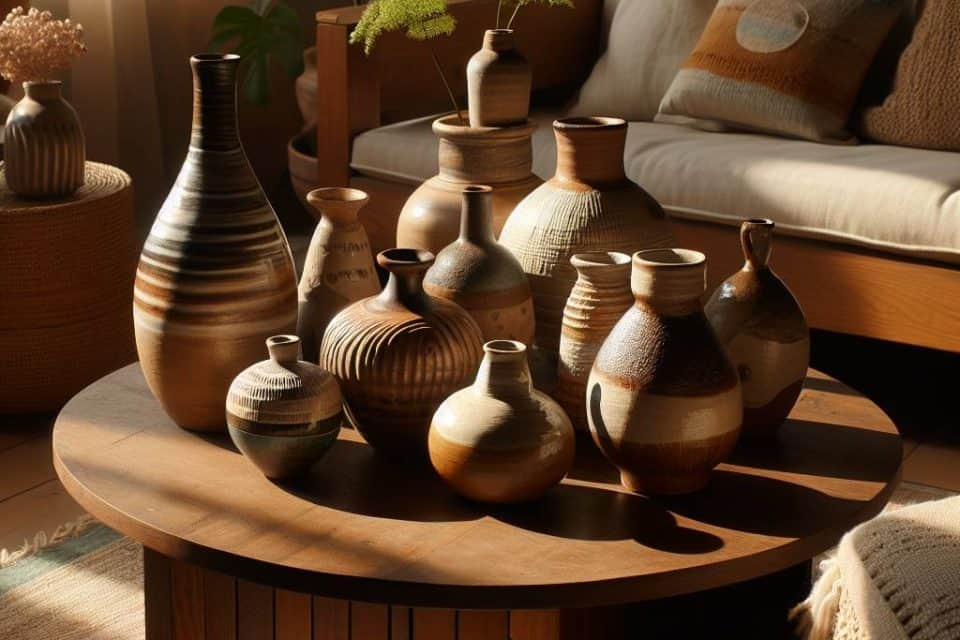
I once bought a vase from a chain store, one of those sleek, mass-produced numbers that scream conformity. It was perfect, in a cold, soulless kind of way. No character, just a hollow shell of ceramic that might as well have been stamped out by a robot. It sat there on my table, mocking me with its symmetry, until I knocked it over while chasing an errant fly. It shattered, and in that moment of chaos, I saw beauty in the broken shards—a reminder that life isn’t about flawless lines but the stories etched in each crack. That’s when I realized: it’s the imperfections, those little quirks and blemishes, that breathe life into our spaces.
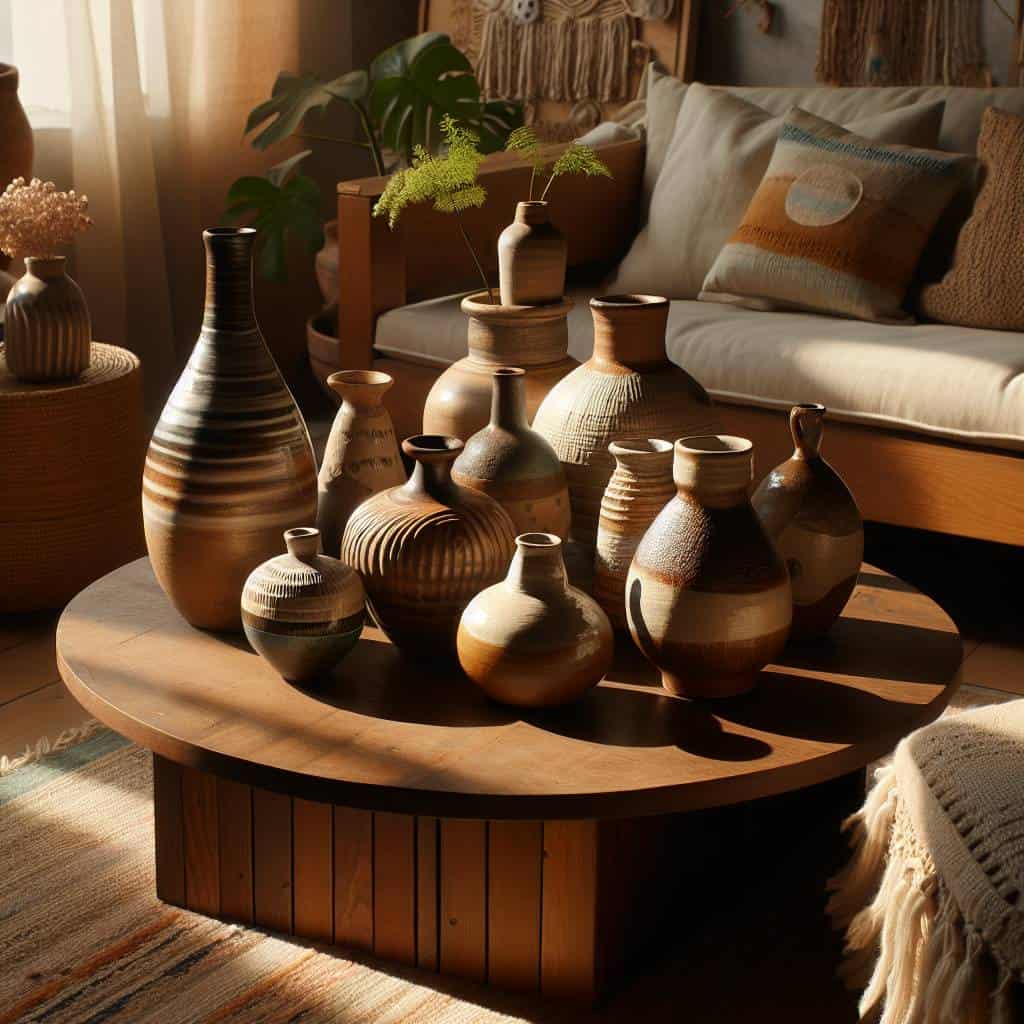
So, let’s delve into a world where not everything is neat and tidy, where the uneven edges and rough textures tell tales of human hands and hearts. I promise to take you on a journey through the philosophy of wabi-sabi, where we celebrate the art of finding beauty in imperfection. Together, we’ll explore how these unique pieces—each with its own story—can transform your home into a sanctuary filled with soul and authenticity. Forget the polished, pristine decor; let’s embrace the wonderful chaos of handmade beauty.
Table of Contents
Discovering Wabi-Sabi in My Cluttered Living Room: A Philosophical Adventure
There I was, standing in my living room, a space that could only be described as a glorious mess. Books in teetering stacks, half-finished pottery projects peeking from under the couch, and a collection of mismatched cushions that had seen better days. A friend once called it chaos, but I saw something else—a story. In the midst of this delightful disorder, I embarked on what I can only describe as a philosophical adventure, discovering the essence of wabi-sabi. For the uninitiated, wabi-sabi is the Japanese art of finding beauty in imperfection, an appreciation for the natural cycle of growth and decay. It’s a mindset that celebrates the rustic, the worn, the handmade. And in my cluttered living room, I found it in spades.
Picture this: a chipped ceramic vase that proudly wears its scars, echoing a life well-lived. It’s not a flaw; it’s a testament to resilience. The faded rug beneath my feet, once vibrant, now tells tales of every footstep that has crossed its threads. These elements, raw and unpolished, whisper stories of authenticity. The cracks, the wear, the patina—they all invite us to pause and appreciate the artistry in the everyday. Here, surrounded by the quiet poetry of imperfection, I realized that beauty doesn’t demand perfection. It thrives in the unique, the irregular, and the handmade, offering a gentle reminder to embrace the world as it is, not as we wish it to be. So, in this small sanctuary of mine, wabi-sabi turned a cluttered room into a canvas of philosophical discovery, urging me to delight in the extraordinary beauty of the ordinary.
Embracing the Flaws
In the creases and uneven strokes of handmade decor, we find the soul of wabi-sabi—a gentle reminder that beauty is born from imperfection, not symmetry.
The Art of Embracing Beautiful Chaos
In the end, it’s about the stories these imperfect pieces tell me. Each handmade object in my home is like a dear friend who doesn’t mind showing their scars. They whisper tales of hands that shaped them, of moments and memories woven into their very being. That’s the magic, isn’t it? The wabi-sabi of it all. It’s not about the glossy veneer of perfection, but the raw, unpolished truth beneath. The cracks and chips are not flaws—they’re soulful markings of a life truly lived.
As I sit in my cluttered living room, surrounded by this beautiful chaos, I feel a deep sense of contentment. It’s a reminder that life, much like these objects, is not meant to be perfect. It’s meant to be real, messy, and full of character. And in that mess, in those imperfections, there lies a unique beauty that no factory line can replicate. It’s the beauty of embracing what is, rather than yearning for what isn’t. And in doing so, I find a deeper connection, not just to my space, but to the world around me.
