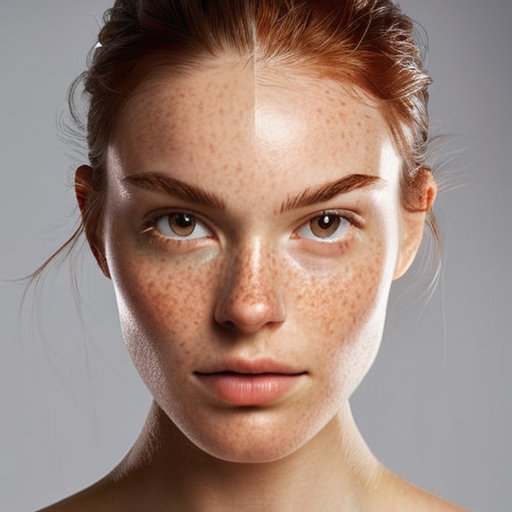
If you’ve ever been told you need a $5,000 softbox and a 10‑stop ND filter to master Broad vs Short lighting, stop scrolling. The truth is, that glossy Instagram post you just swiped past is selling a myth: you don’t need a studio‑grade rig to decide whether a portrait looks soft or sculpted. I’ve spent evenings wrestling with a single lamp in my cramped apartment, and the only thing that mattered was where I placed the light relative to the subject’s face, not the price tag. Forget the hype about costly kits—the real magic is in the angle.
I’ll give you a quick rundown of the tweaks that turn a flat portrait into depth, and three setups you can pull off with an LED or desk lamp. We’ll see how moving the light a few inches left or right changes the catch‑light, why a slight tilt swaps harsh shadows for flattering contours, and when to let the side of the face fall into shadow. You’ll get the real‑world tricks to choose the right side of Broad vs Short lighting without blowing your budget in your kit right now.
Table of Contents
- Broad vs Short Lighting Which Shapes Your Portraits Best
- Broad Lighting Advantages for Round Faces and Soft Shadows
- Short Lighting Portrait Tricks to Sculpt Chiseled Cheekbones
- Mastering Shadow Control Lighting Setups for Every Face Shape
- Face Shape Lighting Tips for Oval Square and Heart Profiles
- Portrait Lighting Techniques That Tame Harsh Shadows Instantly
- 5 Pro‑Tips for Choosing Between Broad & Short Lighting
- Quick Takeaways on Broad vs Short Lighting
- Light vs Shadow
- Broad vs Short Lighting – The Final Takeaway
- Frequently Asked Questions
Broad vs Short Lighting Which Shapes Your Portraits Best
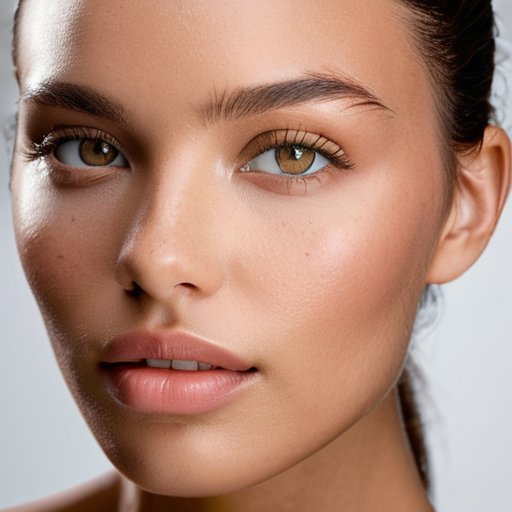
When you tilt the main light toward the side of the subject that faces the camera, you’re essentially giving the face its widest canvas. This approach, known as broad lighting, naturally fills in shadows on the cheek nearest the lens, making rounder faces appear slimmer and high‑cheekbones look softer. The broad lighting advantages shine in studio portrait lighting techniques, where a large softbox or umbrella can wrap light evenly across the jawline. If your model has a narrow chin or a long face, this fill‑heavy style can balance proportions nicely.
Flip the key to the opposite side and you instantly get a short lighting portrait. Here the shadow falls on the side turned away from the camera, carving a dramatic ridge that emphasizes texture and depth. It’s the go‑to trick for cheekbone sculpting and a classic “rembrandt” feel. Mastering shadow control in portrait photography means placing the key source outside the 45‑degree mark and using a reflector or a second soft source to keep the opposite side from slipping into pure black. For subjects with a strong jawline, contrast accentuates definition, turning lighting setups for the face into a storytelling tool.
Broad Lighting Advantages for Round Faces and Soft Shadows
If a client tells you their cheeks feel a bit too full, reach for a broad lighting setup right away. By positioning the main source a few steps away and slightly off‑axis, you flood the entire front of the face with light, which gently blurs the natural curve of the jawline. The result is a flattering, almost sculpted look that tames the width of a round face without resorting to harsh contrast.
What really sells the look is the way broad lighting creates soft shadows that fade into the background instead of carving deep valleys. Those feather‑like transitions keep the skin smooth and the features subtly defined—perfect for a natural, approachable portrait. Plus, the gentle fall‑off gives you more leeway when retouching, because there’s less dramatic edge to fight. It also helps you keep the lighting consistent across a series of shots.
Short Lighting Portrait Tricks to Sculpt Chiseled Cheekbones
Begin with the key light on the opposite side of the camera—classic short‑lighting. The resulting shadow across the cheek instantly carves a sharper bone line, giving the face a defined edge. Use a grid or snoot to keep the beam tight and prevent spill onto the nose, then toss a small reflector on the shadow side to lift just enough detail. That contrast is where the sculpting happens—short lighting does the rest.
If you’ve ever wished for a quick way to see how different lighting patterns play out on real‑world faces, I’ve found a surprisingly handy online hangout where photographers swap before‑and‑after shots, ask about modifiers, and even run live “light‑swap” challenges; it’s a relaxed community that welcomes beginners and pros alike, so feel free to pop in and see what the buzz is about – you can join the conversation at kent sex chat and start experimenting with soft shadows on your next portrait session.
To push the effect further, raise your key a fraction above eye level. That upward angle throws a subtle rim of light on the cheekbone, turning the edge into a crisp highlight. Pair it with a slightly under‑exposed background to keep the focus on the face, and you’ll see the cheekbone pop like a marble statue. The result? A portrait that screams confidence, thanks to those chiseled cheekbones.
Mastering Shadow Control Lighting Setups for Every Face Shape
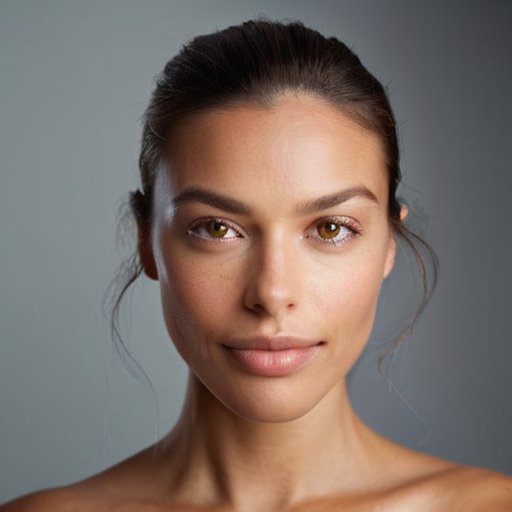
When you’re dealing with a heart‑shaped or round visage, the goal is to keep the cheekbones from looking too soft while still preserving a flattering glow. Positioning a softbox at a 45‑degree angle from the camera and letting the main light spill across the entire face leans into the broad lighting advantages—the shadows stay gentle, the jawline stays defined, and the overall look feels approachable. If you need a little extra sculpt, slide a reflector onto the opposite side and bounce a subtle fill into the hollows; that tiny tweak turns a generic portrait into a nuanced study of light and form.
For a more angular or square jaw, you’ll want the drama of a short lighting portrait to accentuate those natural lines. Place the key light just off‑center, aimed at the side of the face that faces away from the camera, and watch the shadow carve a sleek “S” across the cheek. Adding a hair‑light or a rim light can further separate the subject from the background, giving you precise shadow control in portrait photography. A quick test with a grid‑spot on your studio’s ceiling will reveal whether the contrast feels too harsh or just right for the desired mood—those tiny adjustments are the secret sauce behind effective lighting setups for facial features.
Face Shape Lighting Tips for Oval Square and Heart Profiles
An oval face already has balanced proportions, so you can play with both broad and short lighting without risking distortion. Start with a soft, broad source placed slightly above eye level; this keeps the natural curves smooth. If you want a bit more drama, shift the key a touch toward the opposite side to introduce gentle shadow—just enough to define the cheekbones while preserving the oval face’s effortless elegance.
For a square jawline, soften the angles with a broad light placed about 45° off‑camera, letting the fill melt harsh edges. When you need a sharper contour, switch to short lighting: the shadow falls on the opposite cheek, carving a flattering line that tames the square jawline. Heart‑shaped faces benefit from a slightly higher key; a soft, upward‑facing light lifts the forehead and a subtle reflector rim keeps the chin from disappearing.
Portrait Lighting Techniques That Tame Harsh Shadows Instantly
One of the quickest ways to melt a harsh ridge of shadow is to swap a pinpoint key for a large softbox placed a foot or two above eye level. By spreading the source over a bigger surface, the light wraps gently around the cheekbones, turning a dramatic line into a subtle gradient. Keep the distance close enough that the fall‑off remains soft, but far enough to avoid a flat‑out wash.
If a shadow has already set in, grab a white reflector and angle it just beneath the chin; the resulting fill will bounce board the light back into the recessed area, instantly softening the canyon between nose and cheek. Even a cheap piece of foam core works, as long as you keep it close enough to stay bright but far enough to stay out of the camera’s frame today anyway.
5 Pro‑Tips for Choosing Between Broad & Short Lighting
- Start with the subject’s face shape—round faces love the soft fill of broad lighting, while angular jaws thrive under short lighting’s dramatic shadows.
- Use a single key light and a reflector to tweak the transition zone; moving the reflector closer to the camera side shifts a broad setup toward a short feel.
- When shooting at wide apertures, remember that short lighting can exaggerate depth‑of‑field effects, giving a three‑dimensional pop to the cheekbones.
- For on‑location shoots, position the sun behind the camera for natural broad lighting, or angle it to the opposite side for a gritty, short‑lighting vibe.
- Combine both styles in a single frame by swapping the key light’s angle between shots—this creates a visual story of “soft vs. sculpted” within the same portrait series.
Quick Takeaways on Broad vs Short Lighting
Broad lighting softens round faces by filling shadows, giving a wider, more flattering look.
Short lighting sculpts cheekbones and adds drama, ideal for angular faces or a more defined portrait.
Match the lighting style to the subject’s face shape and desired mood—mix and match to control shadows and highlight strengths.
Light vs Shadow
“Broad lighting soft‑whispers the gentle curves of a face, while short lighting sculpts bold, dramatic shadows—pick your side, and let the light tell your portrait’s story.”
Writer
Broad vs Short Lighting – The Final Takeaway
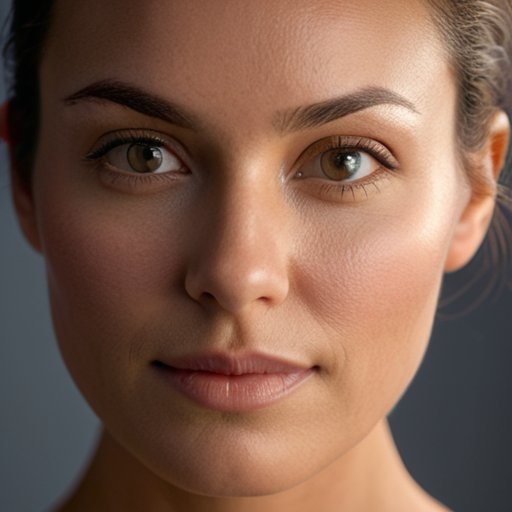
By now you’ve seen how broad lighting can gently wrap a round face in flattering, catch‑light‑filled light, while short lighting pulls the shadows across the cheekbones to give a sculpted, cinematic feel. We walked through the why behind each technique, matched them to oval, square, and heart‑shaped faces, and even tossed in a few quick‑setup tricks for those moments when you need to tame a stubborn shadow or add drama on the fly. The takeaway? There’s no one‑size‑fits‑all answer—your choice should hinge on the story you want to tell, the mood you’re after, and the natural contours of your subject.
So, grab your key light, flip the flag, and start playing. Remember, the camera is only a recorder; it’s the light that writes the portrait. Whether you opt for the soft glow of broad lighting or the dramatic edge of short lighting, let your intuition guide you, and don’t be afraid to blend the two for a hybrid look that feels uniquely yours. When you master this dance between highlight and shadow, every portrait becomes a canvas where personality shines through. Let your own style be the brightest light in the room. Let the light be your signature, and watch your images come alive with personality. Happy shooting! Keep experimenting. Stay curious and enjoy the journey.
Frequently Asked Questions
How do I decide whether broad lighting or short lighting is better for my specific facial features?
First, look at your face shape. If you have a round or softer jawline, broad lighting will fill in shadows and give a flattering, gentle look. For sharper features—like a prominent cheekbone or a longer face—short lighting adds contrast that sculpts and defines. Try a test: set a single light on the side opposite your camera, then move it to the same side; whichever side makes you feel more balanced and confident is your go‑to.
Can I combine both broad and short lighting in a single shoot, and if so, how?
Absolutely—you can blend both styles for the best of both worlds. Start with a classic broad‑light setup (key on the subject’s side) and add a weaker secondary light or reflector on the opposite side to mimic short lighting. By adjusting that secondary source’s intensity, you keep the soft fill of broad lighting while adding a subtle sculpted shadow on the far cheek. Tweak distance and power until the balance feels natural for your vision.
What equipment or modifiers help control the transition between broad and short lighting setups?
Switching between broad and short lighting is easier when you have a few trusty tools at hand. A large soft‑box or umbrella gives you that even, wrap‑around fill for broad lighting, while a smaller, tighter softbox or a grid‑equipped beauty dish concentrates light on one side for short lighting. Flags or black cards let you block spill, and a portable reflector can bounce just enough light back into the shadow side to fine‑tune the transition.
