
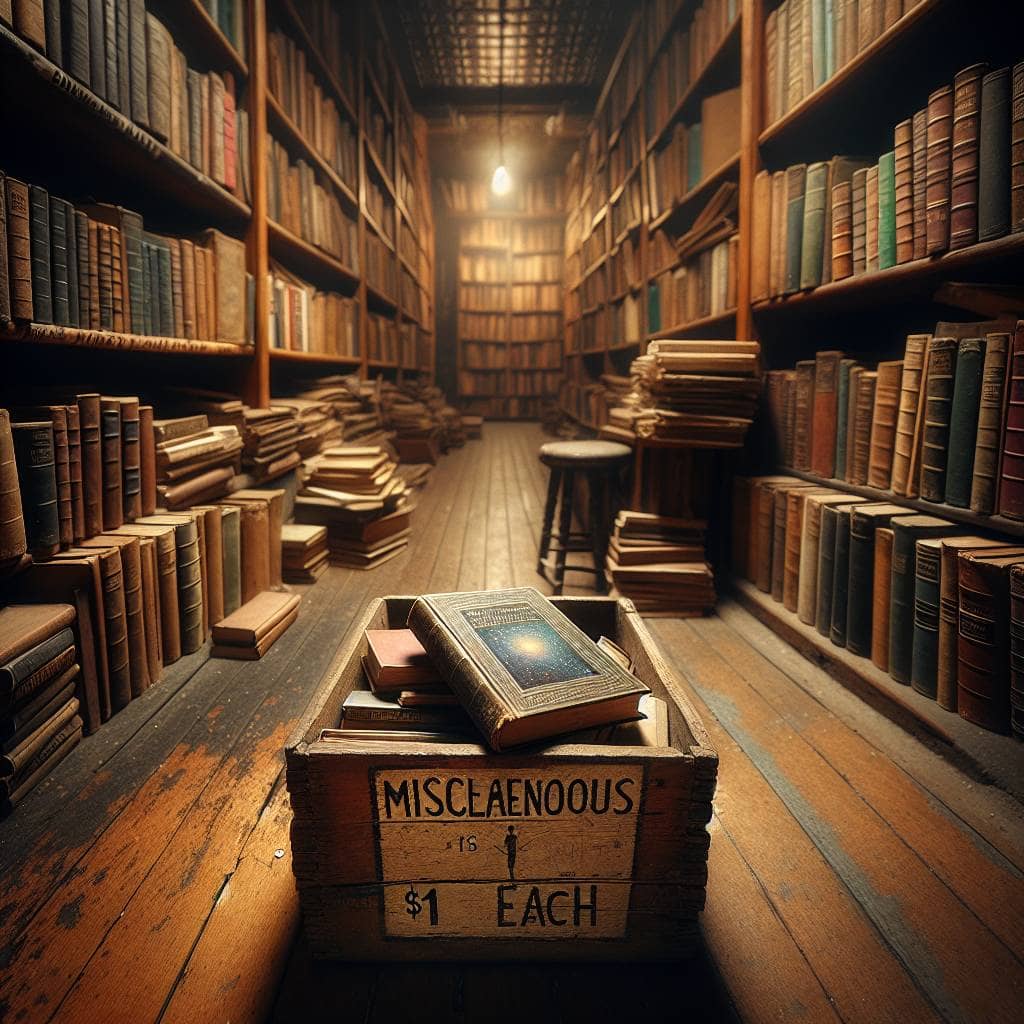
I once found myself in a dusty second-hand bookshop, the kind where the smell of old pages clings to your clothes long after you’ve left. I was rummaging through a bin labeled “Miscellaneous: $1 Each,” when I stumbled upon a dog-eared book on Van Gogh. The cover promised a “spiritual journey,” but as I flipped through the pages, I was struck by how the writer had glossed over the grit. They’d turned the man who painted the night sky while hearing voices into a neat little package of inspiration. It made me think about how often we sanitize the struggles of artists, stripping away the chaos to leave only the glow. But in doing so, we lose the real story—the one that’s raw and tangled, like the fields where I grew up.
So, let’s take a different path. In the coming paragraphs, we’ll explore not just the divine sparks that lit up Van Gogh’s nights or the chisel marks of Michelangelo’s faith, but the messy, human stories behind them. These weren’t just artists; they were explorers, navigating the rough terrain of their own minds and spirits. We’ll dig into how their art was both a product of inspiration and a battleground of belief. Expect stories that are as much about the questions they asked as the answers they found—stories that remind us that the extraordinary often hides in the shadows of the everyday.
Table of Contents
Michelangelo’s Whispered Secrets: The Divine Comedy of Stone and Soul
Michelangelo didn’t just sculpt marble; he wrestled with it, as if each block contained a captive angel waiting to be freed. Imagine him there, in the dusty chaos of his studio, eyes squinting at a slab of stone as if it were a cloudy sky full of divine messages. What secrets did the stone whisper to him, I wonder? It’s as if he found Dante’s “Divine Comedy” written in the veins of the marble, each chisel mark a word in his own epic tale of soul and spirit. Here was a man who saw the divine not as something unreachable, but as an unyielding force just beneath the surface, waiting to be revealed with every strike of the hammer.
And oh, the passion he poured into his work! Michelangelo’s faith was not served quietly in a chapel, but shouted from the rooftops of the Sistine Chapel, where the ceiling itself seems to bend under the weight of his vision. Like Van Gogh, who saw God’s hand in the swirling night skies, Michelangelo found his divine muse in the tension between flesh and spirit. While Van Gogh fought his demons with a brush, Michelangelo battled his with a chisel, each artist driven by the whisper of something greater, something that defied the ordinary. They didn’t just create art; they engaged in a sacred dialogue, where every stroke and cut was an act of defiance, a refusal to accept the mundane. And in that refusal, they found a kind of spiritual liberation, carving out not just figures, but their own place in the divine narrative.
Chiseling Faith and Starry Nights
In the quiet chaos of his asylum, Van Gogh painted stars not as they were, but as they whispered to him. Michelangelo didn’t just carve marble; he unearthed faith, each chip a testament to divine stubbornness.
Chasing Shadows and Light: A Personal Reckoning
Art, to me, will always be a conversation between the tangible and the divine. Standing in a field, watching the sun dip below the horizon, I see the same celestial dance that Van Gogh captured in swirling skies. It’s a reminder that faith isn’t about a quiet, comfortable pew, but a raw, honest dialogue with the universe—one that might lead us to madness, or, if we’re lucky, to a masterpiece. Just like Michelangelo, who carved the whispers of God into stone, we all have our own marble blocks to chip away at, revealing the stories hidden beneath the surface.
Walking alongside these artists, though separated by centuries, feels like sharing a quiet understanding. They teach me that inspiration isn’t a lightning bolt, but a slow, persistent burn—one that requires grit and grace in equal measure. I’ve learned that art, in its truest form, is an act of faith. It’s a leap into the unknown, a search for meaning in the chaos. And maybe that’s why these stories resonate so deeply with me. They remind me that the extraordinary often lurks in the overlooked, waiting for someone brave enough to unveil it.
