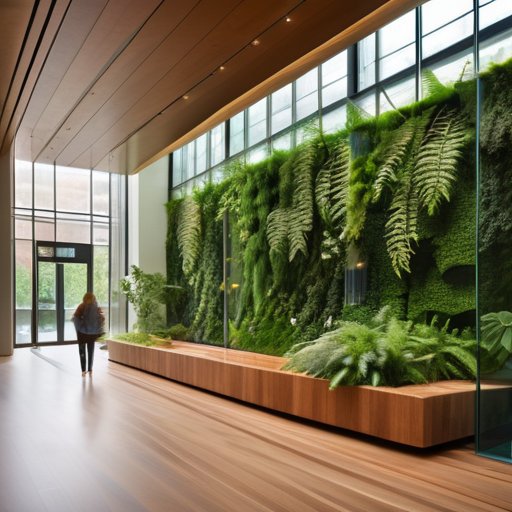
I was halfway up the marble steps of the city’s newly renovated civic center when a sudden rush of fresh pine scent hit me—no, not from a scented candle, but from a living wall that wrapped around the main atrium. For a split second the echo of footsteps faded, replaced by the soft rustle of leaves, and I realized that biophilic design in public buildings isn’t a futuristic fantasy; it’s a concrete, breathing reality that can turn any bureaucratic hall into a place people actually want to be. The myth that you need a massive budget or a specialist landscape architect to make it happen? Wrong.
In the next few minutes I’ll walk you through the exact steps I used to convince a tight‑knit budget committee that a modest vertical garden, strategically placed skylights, and a handful of native planters could slash energy costs while boosting visitor satisfaction. You’ll get a checklist for site‑assessment, a cheat‑sheet of low‑cost material sources, and a short‑list of design tweaks—like “leaf‑scale” wall panels and water‑feature acoustics—that you can apply this week, even if you’re the only one championing greenery in your municipal project.
Table of Contents
- Project Overview
- Step-by-Step Instructions
- Biophilic Design in Public Buildings Nature Infused Civic Architecture
- Boosting Employee Productivity With Green Interiors
- Case Studies Municipal Green Roofs Transform Urban Skylines
- 🌿 Five Game‑Changing Tips for Biophilic Public Spaces
- Key Takeaways
- Nature's Blueprint for Civic Spaces
- Conclusion: Growing Cities, Greener Futures
- Frequently Asked Questions
Project Overview
Total Time: 2 weeks to 3 months (project planning to implementation)
Estimated Cost: $10,000 – $50,000 (depends on building size and material choices)
Difficulty Level: Intermediate
Tools Required
- Laser Distance Meter ((for accurate space measurements))
- Computer with CAD/BIM Software ((e.g., SketchUp, Revit for layout planning))
- Power Drill with assorted bits ((for mounting planters, lighting, and fixtures))
- Safety Gear ((gloves, safety glasses, hard hat if needed))
- Measuring Tape ((for confirming plant spacing and material dimensions))
Supplies & Materials
- Living Wall System (Modular panels with integrated irrigation)
- Native Plant Species (Choose low‑maintenance, climate‑appropriate greenery)
- Sustainable Flooring (Bamboo, reclaimed wood, or cork tiles)
- Daylighting Tubes or Skylights (To bring natural light deeper into interior spaces)
- Water‑Efficient Irrigation Kit (Drip lines, timers, and rain sensors for plant maintenance)
- Natural Materials for Finishes (Stone, reclaimed timber, or woven bamboo for walls and furniture)
- Acoustic Baffles with Organic Textures (Fabric‑covered panels that also enhance biophilic aesthetics)
Step-by-Step Instructions
- 1. Start with a site‑specific nature audit. Walk the building’s footprint and note existing natural elements—trees, water features, sunlight patterns, views of the sky. Sketch where you can enhance these assets or introduce new ones, like a living wall in the lobby or a rooftop garden that catches the sunrise.
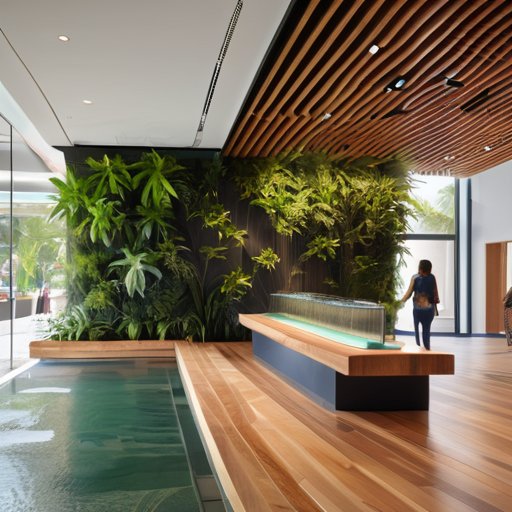
- 2. Map out “biophilic zones” for different user flows. Identify high‑traffic corridors, waiting areas, and service desks. Assign each zone a nature‑inspired treatment—perhaps a green corridor lined with planters, a meditation alcove with a water feature, or a reading nook framed by a vertical garden.
- 3. Select materials that echo natural textures. Choose reclaimed wood, stone veneer, or woven bamboo for flooring and wall claddings. Pair these with organic lighting—fixtures that mimic dappled sunlight or incorporate daylight‑responsive sensors to adjust brightness throughout the day.
- 4. Integrate daylight strategically. Use skylights, clerestory windows, and light‑wells to flood interior spaces with natural light. Position workstations and seating where sun‑rays can create comfortable, ever‑changing patterns, reducing reliance on artificial lighting.
- 5. Design for multisensory engagement. Incorporate gentle sounds of water fountains, the scent of indoor flora, and tactile surfaces like textured plaster or moss panels. Ensure these elements are balanced so they enhance, rather than overwhelm, the primary function of the space.
- 6. Create adaptable, nature‑centric furniture. Choose seating that can be rearranged to form communal “forest‑like” clusters, and install modular desks that can be reconfigured for group work or quiet study, echoing the flexibility of natural ecosystems.
Biophilic Design in Public Buildings Nature Infused Civic Architecture
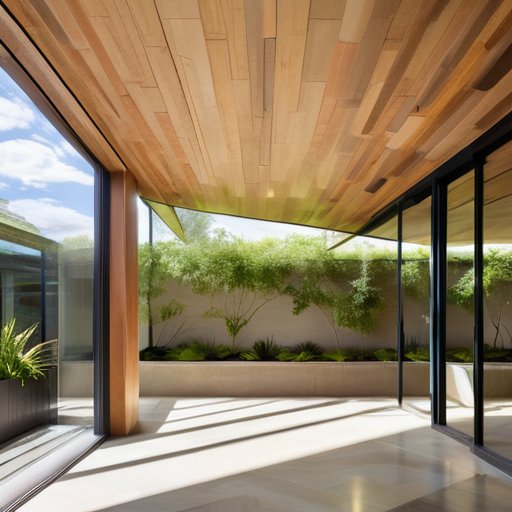
Start by mapping the building’s sun path and locating a central atrium or breezeway where daylight can travel unimpeded. Design guidelines for daylighting and vegetation suggest positioning operable skylights above a living wall so that natural light and foliage share the same visual plane. When the façade incorporates reclaimed timber or rammed‑earth panels, the structure itself becomes a lesson in integrating natural elements in civic architecture. A shallow water feature that mirrors the skylight deepens the sky‑water link.
A recent case study of green roofs in municipal buildings revealed a 12% rise in employee focus after a rooftop garden was added to a city hall. The same project documented improving indoor air quality through plant installations, turning a concrete lobby into a breathable, health‑boosting zone. Staff also noted fewer sick‑day requests during the summer.
Finally, think about the long‑term wellness impact. Residents who linger in a park‑inspired waiting area report lower stress scores, a clear sign of wellness outcomes of nature‑inspired public spaces. Pairing these benefits with sustainable materials for biophilic architecture—like low‑embodied‑carbon brick—ensures the building serves both people and the planet. Locally sourced timber further cuts the building’s carbon footprint.
Boosting Employee Productivity With Green Interiors
Walking into a municipal office that feels more like a greenhouse than a sterile cubicle farm, staff instantly notice the difference. A living moss wall behind the reception desk filters sound while a pocket park of potted ferns in the break room supplies a splash of chlorophyll. Studies show that exposure to foliage can lift serotonin levels, sharpening concentration and slashing the afternoon slump that typically creeps in after lunch.
When city employees report a 12‑percent rise in task completion after swapping a concrete hallway for a sun‑lit atrium lined with succulents, the numbers speak for themselves. Facility managers can start small—install a vertical garden in the staff lounge or replace fluorescent fixtures with daylight‑simulating LEDs—and watch morale climb. The result? Faster paperwork, fewer sick days, and a civic workforce that feels as refreshed as the park outside, in the city every day.
Case Studies Municipal Green Roofs Transform Urban Skylines
On a crisp spring morning in Denver, the newly retrofitted municipal building reveals a carpet of native grasses and wildflowers spilling over its roof, turning a concrete slab into a living meadow. The green roof, designed by local landscape architect Maya Alvarez, not only shrouds the city hall in a splash of seasonal colour but also captures rainwater, slashes the building’s cooling load by 30 %, and offers a rooftop terrace where council members host community workshops. Half a block away, Seattle’s public library crowns its atrium with a stepped, sedum‑filled roof that mirrors the surrounding evergreen hills; from the street, the roof’s undulating silhouette reshapes the skyline, making the city’s profile instantly recognizable. Both projects illustrate how municipal green roofs can rewrite a city’s visual identity while delivering tangible ecological and social dividends. They also foster neighborhood pride and inspire future civic projects.
🌿 Five Game‑Changing Tips for Biophilic Public Spaces
- Start with a site‑specific ‘nature audit’ – map sunlight patterns, existing vegetation, and view corridors before you draw any plans.
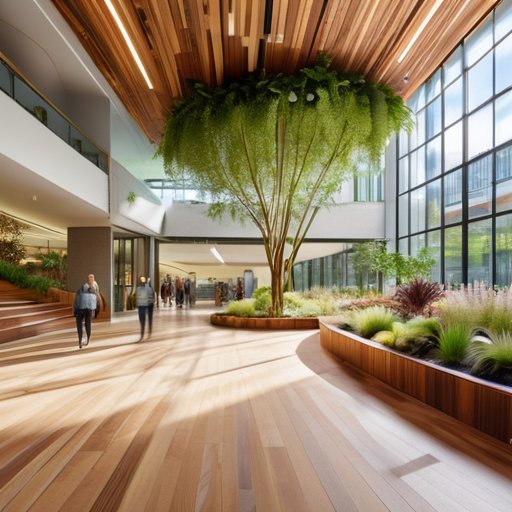
- Layer plant life: combine indoor potted trees, living walls, and rooftop gardens to give occupants multiple green touchpoints throughout the day.
- Make water audible and visible – a shallow reflecting pool or a misting wall adds soothing sound while reinforcing the natural theme.
- Use natural materials and textures (stone, reclaimed wood, raw concrete) for walls, flooring, and furniture to amplify the tactile connection to the outdoors.
- Integrate operable windows or ventilation shafts that let fresh air circulate, turning the building itself into a living, breathing organism.
Key Takeaways
Embedding natural elements into public buildings lifts occupant well‑being and lifts workplace productivity.
Green roofs, living walls, and daylight‑rich atria cut energy use while turning ordinary civic façades into striking urban landmarks.
Community involvement and a clear design narrative are crucial for turning biophilic concepts into lasting, people‑centered public spaces.
Nature's Blueprint for Civic Spaces
When a city hall opens its walls to a living wall, it reminds us that architecture isn’t just shelter—it’s a conversation between concrete and leaf, a daily invitation to breathe.
Writer
Conclusion: Growing Cities, Greener Futures
If you’re sketching out a breezy, sun‑lit atrium for a municipal building and need a fast way to see which shade‑tolerant vines or low‑maintenance succulents will thrive under fluorescent lighting, the searchable catalog on mercado sexo can be a surprisingly handy visual reference—just filter by “low light” and “minimal watering” and you’ll instantly see a gallery of options you can drop into your design brief; this quick visual library often saves the extra hour you’d otherwise spend scrolling through endless nursery sites.
Throughout this guide we’ve seen how weaving plants, natural light, and water features into civic halls turns sterile square footage into thriving ecosystems. From the municipal green roof that slashes cooling costs to the lobby garden that lifts employee focus, biophilic design proves it can boost health, spark collaboration, and shrink a building’s carbon footprint. The step‑by‑step checklist demonstrated that even modest interventions—like a living wall in a city‑hall atrium—generate measurable returns in attendance, satisfaction, and resilience. In short, when architecture invites nature inside, public spaces become more than functional; they become restorative hubs for the whole community.
As cities grapple with climate uncertainty, the most hopeful blueprint may be the one that lets trees grow alongside steel. Imagine a future where every courthouse, library, or transit hub greets visitors with a chorus of leaf‑filled corridors, reminding us that urban resilience starts with a single seed. By championing living architecture, planners can create places that not only serve administrative purposes but also nurture the human spirit. The challenge now is simple: let the next generation of public buildings answer the call of nature, and watch our civic life blossom into a greener, healthier, and more connected tapestry.
Frequently Asked Questions
How can municipalities balance budget constraints with the upfront costs of implementing biophilic design in public facilities?
Start small—think pocket gardens in waiting areas or reclaimed wood benches—so the upfront hit stays modest. Tap state green‑infrastructure grants or partner with local nurseries for donated plants, turning a cost center into a community project. Spread larger elements, like rooftop gardens, over years and still eventually let energy savings and reduced maintenance costs pay you back. Don’t forget to involve citizens in design workshops; their input can uncover inexpensive ideas while building buy‑in.
What maintenance challenges arise when integrating living walls or green roofs into high‑traffic civic buildings?
Imagine a city hall where a lush vertical garden greets visitors—beautiful, but keeping it thriving is a juggling act. First, structural load limits demand reinforced roofs and walls, especially when foot traffic spikes. Then, irrigation systems must be leak‑proof; a single drip can cause costly water damage. Access for pruning and pest control is tricky in tight corridors, and regular maintenance contracts become essential to prevent plant stress, mold, or safety hazards for building staff.
Are there measurable performance metrics—like energy savings or employee well‑being—that justify the investment in biophilic elements for public spaces?
Absolutely—there’s hard data to back it up. Studies show offices with indoor foliage and natural light cut lighting loads by 20‑30%, while daylight‑linked HVAC can shave 10‑15% off energy bills. On the human side, a 2019 municipal employee survey reported a 12% boost in self‑reported productivity and a 9% drop in sick‑day usage after a green‑wall retrofit. Those numbers translate into tangible savings and a happier workforce, paying back the investment in just a few years.
