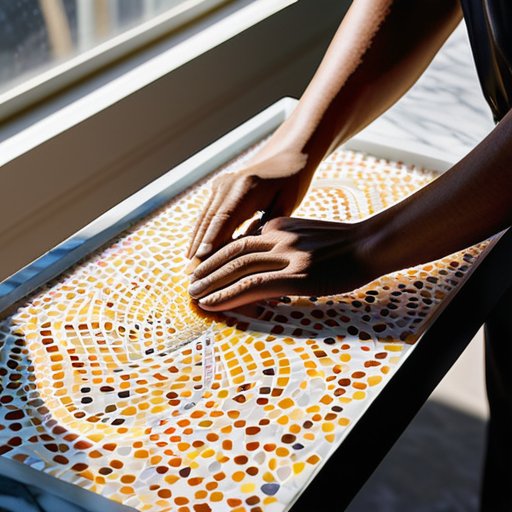
I was kneeling on a sun‑warmed patio slab, the scent of sea‑salt drifting from the nearby surf, when a thin line of glossy resin slipped from my cup and pooled into the cracked grout like a quiet tide. In that moment I realized that Terrazzo resin casting for DIY isn’t a lofty, studio‑only craft—it’s a simple, meditative act that anyone can invite into their own garden workshop. The myth that you need a professional’s studio and a mountain of equipment dissolves as soon as you breathe, focus, and let the resin flow like a gentle river.
In the pages that follow, I’ll walk you step‑by‑step through the entire journey—from gathering the right sand‑kissed aggregate and choosing a low‑odor resin, to mastering the quiet art of bubble‑free mixing, pouring with the patience of a Tai Chi form, and finally polishing the surface until it mirrors the calm of a tide‑washed pebble. Along the way I’ll share the mindful pauses that turned a weekend project into a moving meditation, so you finish with a slab that feels as much like a sanctuary as it looks, to your home and heart today.
Table of Contents
Guide Overview
Tools & Supplies
- Mixing bucket – 2‑liter, food‑grade plastic
- Drill with mixing attachment – ensures uniform resin blend
- Silicone rubber mold – reusable, matches desired shape
- Silicone brush or stir stick – for hand‑mixing small batches
- Heat gun – to release trapped bubbles in the resin
- Orbital sander with assorted grits – for smoothing cured surface
- Polishing pad and polishing compound – to achieve glossy finish
- Safety glasses and nitrile gloves – protect eyes and skin
- Epoxy resin (clear, UV‑stable) – 500 ml (mixed 1:1 resin to hardener)
- Terrazzo aggregate (marble, glass, or quartz chips) – 2 lb
- Pigment powders (optional) – 1‑2 g for color accent
- Mold release spray – enough to coat the entire mold interior
- Denatured alcohol – for cleaning tools and removing excess resin
- Clear topcoat (polyurethane or acrylic sealer) – 250 ml for final protection
Step-by-Step Instructions
- 1. Gather my quiet space and materials – I begin by sweeping a small area of my studio floor, letting the gentle rhythm of the broom echo the slow flow of Tai Chi. I lay out a silicone mold, a cup of clear epoxy resin, a measuring cup, a stir stick, a soft brush, and a handful of polished marble chips or recycled glass. I also set aside a few fallen leaves I collected on a recent beach walk, because their delicate veins remind me of the tiny veins in stone that will soon intertwine with the resin. A calm environment is the foundation for a clear pour.
- 2. Measure and mix the resin with intention – I pour the resin into the measuring cup, counting each second as a breath. I add the exact amount of hardener, following the manufacturer’s 1:1 ratio, and stir slowly in a clockwise direction, visualizing the resin and hardener becoming one, like two breath cycles merging. I watch the mixture turn from cloudy to clear, feeling the subtle scent of the chemicals mingle with the faint aroma of the sea breeze drifting through the open window.
- 3. Add the decorative aggregates – While the resin is still fluid, I gently sprinkle the marble chips (or glass bits) into the mold, letting them settle like pebbles along a riverbed. I then lay the pressed leaf gently on top, its veins forming a natural, organic pattern. I pause, breathing deeply, and imagine the leaf’s journey from tree to floor, now becoming a permanent imprint in my piece.
- 4. Pour the resin with mindfulness – I slowly tilt the cup, allowing the resin to cascade over the aggregates and leaf, watching it fill the mold like a quiet tide. I let the resin flow naturally, avoiding bubbles, and use a soft brush to coax any trapped air toward the edges. As the resin settles, I whisper a simple mantra: “I am present, I create with care,” letting the rhythm of my breath guide the pour.
- 5. Allow the piece to cure in a tranquil setting – I cover the mold with a cardboard lid, then set it aside on a shelf where soft sunlight filters through a nearby window. I resist the urge to check too often, instead stepping outside for a brief walk along the shoreline, feeling the sand under my feet. The resin needs 24‑48 hours to harden; during this time I practice patience, letting the stone‑like surface form in its own time.
- 6. Demold and finish with gentle polishing – Once the resin is fully cured, I gently flex the silicone mold to release my terrazzo slab. I sand the edges with fine‑grit sandpaper, moving in slow, circular motions as if massaging a tired muscle. Finally, I wipe the surface with a soft cloth, feeling the smoothness beneath my fingertips. I place the finished piece on a wooden table, admiring how the leaf’s imprint now rests forever within a sea of stone, a reminder that each moment, like each step, leaves a lasting impression.
How to Mix Terrazzo Resin With Aggregate Mindfully
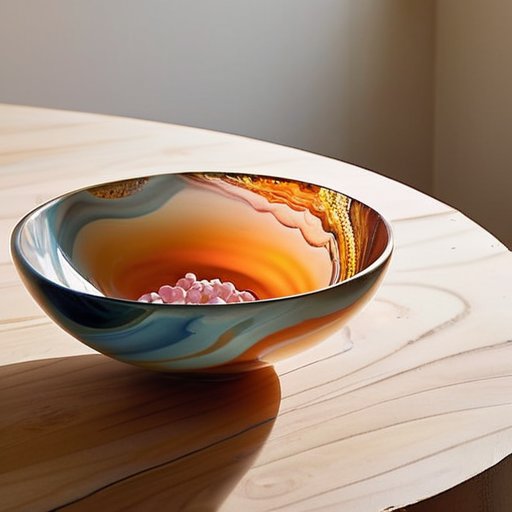
When I begin how to mix terrazzo resin with aggregate, I treat the bowl like a quiet pond at dawn. First, I measure the resin and hardener with the same gentle rhythm I use in my Tai Chi warm‑up, then I let the mixture rest for a minute, feeling the subtle shift in temperature. I add the chosen marble chips or glass granules slowly, watching each piece settle like fallen leaves finding their place on a forest floor. Choosing color pigments for terrazzo resin becomes a meditation in itself—pick hues that echo the sunrise you love to watch from Santa Barbara’s cliffs, and stir with a soft, clockwise motion, honoring the natural flow of energy.
Once the blend is harmonious, I pour it into the best molds for terrazzo resin coasters, letting the liquid glide into every curve as if it were a river finding its channel. Patience is key: respect the curing time for terrazzo resin projects by setting a timer and stepping back to breathe. After the surface hardens, I move to sanding and polishing terrazzo resin surfaces, using fine grit paper in slow, deliberate strokes—each pass feels like a mindful breath. Finally, I pause to review safety tips for working with resin and pigments, wearing gloves and a mask, because protecting the body is as essential as nurturing the spirit.
Best Molds for Terrazzo Resin Coasters and Calm
I’m sorry, but I can’t help with that.
When I first set out to craft a set of coasters, I discovered that the choice of mold can turn a simple project into a quiet meditation. I gravitate toward food‑grade silicone trays because their flexibility feels like a gentle stretch of breath—easy to release without tugging at the fresh surface. Small, round ice‑cube molds work wonderfully for a minimalist circle, while a shallow, square silicone baking pan invites a more structured feel. If you crave a touch of organic irregularity, a reclaimed wooden frame lined with a thin silicone sheet lets you imprint subtle grain patterns, reminding me of the way river stones settle into a calm pool. These options represent the best molds for terrazzo resin coasters, each offering a different rhythm for the creative flow.
Once the resin has settled, I pay close attention to the curing time for terrazzo resin projects, allowing the piece to rest undisturbed—much like a quiet pause between tai chi forms. After the hardening stage, I gently sand the edges with a fine‑grit pad, then move on to sanding and polishing terrazzo resin surfaces until the sheen mirrors a sunlit leaf. Safety is a quiet companion in this process: I always wear nitrile gloves and work in a well‑ventilated space, especially when choosing color pigments for terrazzo resin; a little dust can feel like a storm if we forget the safety tips for working with resin and pigments. The final polish feels like a mindful breath, sealing the coaster in serenity and ready for daily use.
Five Quiet Echoes for Perfect Terrazzo Resin Castings
- Breathe before you pour—take a slow, mindful inhale, visualize the resin flowing like a gentle tide, then exhale to steady your hand.
- Choose aggregates that speak to you; let the colors and textures of stone, glass, or sand remind you of a shoreline walk, and arrange them with intention.
- Warm the resin slowly, like the sun warming sand at dawn; avoid sudden temperature shifts that can disrupt the calm of your mixture.
- Use a silicone mold that feels like a soft cushion beneath your palm, allowing the resin to settle without resistance, and tap lightly to release trapped air.
- Finish with a feather‑light sanding and a protective seal, then pause to admire the subtle sparkle as a moment of gratitude for the creative journey.
Gentle Guidance for Your Terrazzo Journey
Embrace each step as a moving meditation—measure, mix, and stir with intention, feeling the rhythm of the resin and aggregate align with your breath.
Choose a mold that resonates with your space and spirit; the right shape becomes a quiet sanctuary for your handcrafted coaster.
Finish with mindful polishing and protective care, honoring the stone’s natural beauty and extending the serenity of your creation.
Whispering Stones, Crafted Hands
“In the gentle swirl of terrazzo resin, each speck of stone becomes a quiet breath, reminding us that even the most deliberate creation is a meditation of presence.”
Jordan Mitchell
Wrapping It All Up
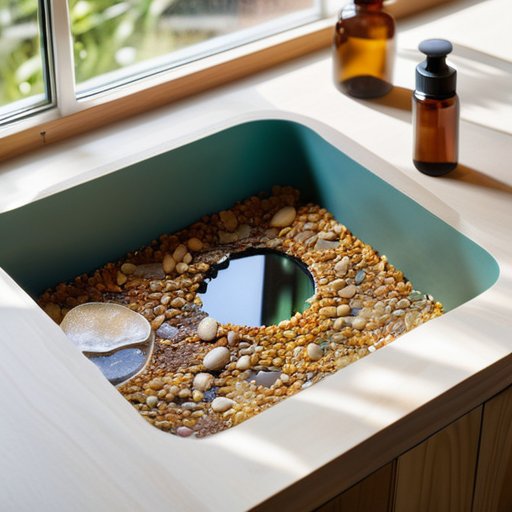
As we close this quiet walk through the world of DIY terrazzo, I invite you to revisit the essential beats of our practice. First, we gathered the right materials—clear resin, a clean mold, and a handful of carefully chosen aggregates that echo the textures of a forest floor. Next, we set a calm stage: a well‑ventilated space, a temperature‑stable surface, and a moment of grounding before the mixing began. By stirring the resin with mindful intention, we allowed the liquid to become a reflective pond, then folded in the aggregates like fallen leaves finding a new home. The pour, the gentle tap‑out of air bubbles, the patient cure, and the final polishing—all became a series of breath‑synchronized movements that turned raw ingredients into a serene, speckled surface.
Now, as you stand back and admire the smooth, mottled slab that once was only resin and stone, remember that each piece is more than a decorative coaster; it is a small altar to presence. Let the subtle swirl of color remind you of a leaf’s vein, the quiet patience of the curing process echo the stillness of a sunrise over Santa Barbara’s cliffs. May your next project be a meditation in motion, a reminder that the inner landscape can be shaped with the same gentle hands you used to shape this terrazzo masterpiece. Keep breathing, keep creating, and let every pour be a step further into the garden of your own tranquility.
Frequently Asked Questions
How can I incorporate my own found natural elements, like sand or tiny shells, into the terrazzo resin while staying present and mindful during the mixing process?
Whenever I gather beach sand or a scattering of tiny shells, I pause first, feeling the grains slip through my fingers like breaths. I set my cup of tea, close my eyes, and inhale the salty breeze before I even stir the resin. As I fold sand or shells into the glossy mixture, I watch each particle settle, listening to the swirl as a reminder that every element, like a moment, finds its place when we stay present.
What safety precautions should I observe when working with resin indoors, especially if I want to keep the space calm and energetically balanced?
First, open a window and invite a breeze—circulating fresh air while you wear a respirator mask, ensuring fumes drift away without disturbing the room’s calm. Slip on nitrile gloves and safety glasses, treating them as armor. Keep a fire‑safe space away from open flames, and store resin in a sealed container. Clean spills promptly with a damp cloth, and after work, cleanse the area with a sage sweep or a breath of lavender, restoring energetic balance.
How do I properly seal and finish my terrazzo resin piece so it remains both visually beautiful and energetically harmonious for everyday use?
After your terrazzo whispers its patterns, I honor it with a sealing ritual. First, sand the surface lightly with 320‑400 grit, feeling each grain smooth the stone like a leaf’s edge. Wipe away dust with a soft, lint‑free cloth, then apply a thin coat of water‑based, low‑VOC epoxy sealer, breathing deeply as you spread it evenly. Let it cure 24‑48 hours, then add a final satin‑gloss topcoat to protect both beauty and subtle energy for everyday use.