
This morning, as I was practicing my Tai Chi near the edge of the canyon, I found a maple leaf that had curled into a tight, defensive spiral, as if trying to protect its center from the wind. It reminded me of how many of us approach mindfulness—we treat it like a chore to be conquered or a complex ritual requiring expensive cushions and perfectly silent Himalayan retreats. We’ve been sold this idea that you need to achieve a state of total emptiness to be successful, but that’s a myth that keeps so many beautiful souls from even trying. If you’ve been searching for how to start a daily meditation practice only to feel defeated by your own wandering thoughts, I want you to know that the struggle isn’t a sign of failure; it’s simply part of the dance.
I’m not here to give you a rigid, clinical manual or a list of impossible expectations. Instead, I want to share what I’ve learned from years of observing the quiet rhythms of nature and the messy, wonderful reality of the human mind. I promise to guide you through a way of sitting that feels less like a discipline and more like coming home to yourself. We are going to strip away the fluff and focus on small, sustainable movements of the spirit that actually fit into your real, busy life.
Finding Your Rhythm the Best Time of Day to Meditate
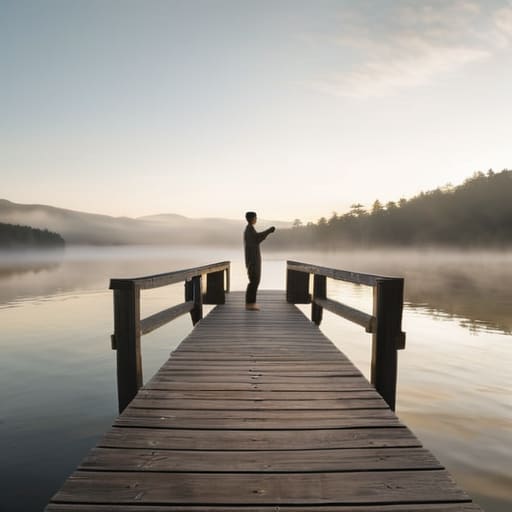
I often find myself pondering this while practicing my Tai Chi in the early morning mist. There is a certain magic in the dawn, a stillness that feels like the world is holding its breath just for you. For many, the morning offers a pristine canvas, allowing you to anchor your spirit before the day’s demands begin to pull at your attention. However, when considering the best time of day to meditate, I’ve learned that there is no universal “right” hour—only the hour that feels most honest to your current state of being.
Some of my students find that a quiet moment before sleep serves as a beautiful way to release the day’s tensions, using meditation for stress relief to transition into rest. Others prefer the midday lull, using a brief pause to recalibrate their internal compass. The secret to creating a meditation routine that actually lasts isn’t about following a rigid schedule; it’s about listening to your body’s natural ebb and flow. Like the way a leaf settles onto the forest floor, let your practice find its own natural place in the rhythm of your life.
Gentle Pathways Essential Meditation Techniques for Beginners
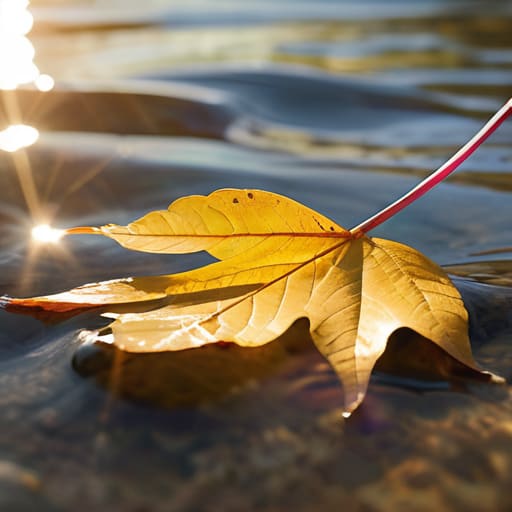
As you step onto this path, please remember that there is no “perfect” way to sit or a single correct way to feel. When exploring meditation techniques for beginners, I often find that the simplest approach is the most profound. I like to suggest starting with breath awareness—not by trying to control it, but by simply observing the rhythmic ebb and flow, much like the tide returning to the Santa Barbara coastline. If your mind begins to wander toward yesterday’s worries or tomorrow’s tasks, do not judge yourself. Instead, gently acknowledge the thought, let it drift by like a leaf on a stream, and softly guide your attention back to the sensation of air entering your lungs.
For those who find stillness a bit daunting, you might try a walking meditation. This is a beautiful way of creating a meditation routine that integrates movement, similar to the flowing transitions I practice in Tai Chi. As you walk, notice the subtle pressure of your feet against the earth and the shifting light through the trees. By anchoring your senses in the physical world, you allow the mental chatter to quiet naturally. It isn’t about achieving a state of emptiness; it’s about cultivating a gentle curiosity for the present moment.
Cultivating Your Practice: Five Gentle Steps Toward Presence
- Start small, like the first delicate buds of spring. Instead of committing to an hour of stillness, try just five minutes. It is better to offer the universe five minutes of true, undivided presence than forty minutes of restless distraction.
- Create a sacred space, even if it is just a specific corner of your living room. Perhaps place a soft cushion there or a single stone you found on a walk. When you enter this space, your body will begin to recognize the invitation to let go.
- Release the need for perfection. Some days your mind will be as calm as a mountain lake at dawn, and other days it will be as turbulent as a storm-tossed sea. Both are part of the journey; do not fight the waves, simply observe them.
- Anchor yourself with your breath. When the chatter of the world becomes too loud, return to the sensation of air entering and leaving your lungs. It is the most reliable compass we have to guide us back to the present moment.
- Integrate mindfulness into your movement. Meditation doesn’t always require sitting still. You can find it in the way you sip your morning tea or the way your feet meet the earth during a stroll. Let your entire life become a slow, mindful dance.
Embracing the Journey, One Breath at a Time
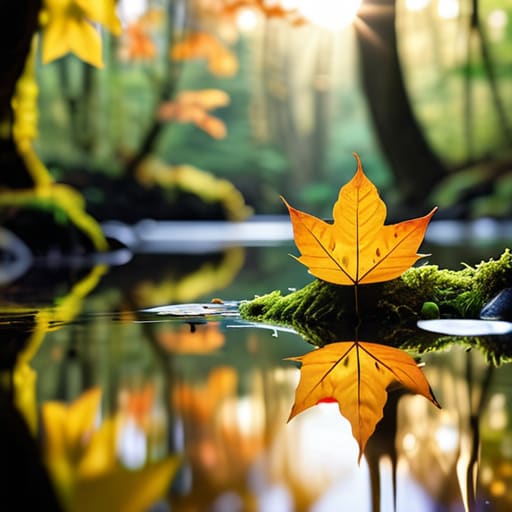
As we draw this initial map of your practice to a close, remember that there is no single “correct” way to begin. Whether you found your rhythm in the quiet stillness of dawn or chose the soft, rhythmic breathing of a guided technique, the most important element is your willingness to show up. We have explored how timing can anchor your day and how various gentle pathways can lead you toward stillness, but these are merely tools. Like the fallen leaves I collect during my Tai Chi sessions—each one unique in its shape and journey—your meditation practice will naturally evolve, shifting and changing as you grow. The goal isn’t perfection; it is simply the consistent act of returning to yourself.
As you step away from these words and back into the flow of your life, I invite you to treat your practice with the same tenderness you would offer a budding seedling. Do not rush the process or demand immediate stillness from a restless mind. Instead, allow yourself the grace to be exactly as you are in this moment. Trust that by carving out these small pockets of presence, you are building a sanctuary within that no external storm can shake. May your journey be as steady and profound as the turning of the seasons, and may you always find your way back to the peace that has been waiting for you all along.
As you begin to navigate these new waters, you might find that certain moments call for a deeper sense of connection or a way to ground yourself when the world feels a bit too loud. Sometimes, finding a sense of presence and intimacy can be a beautiful extension of your mindfulness journey, helping you feel more attuned to both your body and the world around you. If you ever feel the need to explore that deeper connection, you might find comfort in looking into sex near me as a way to embrace the sensory richness of being truly alive in the present moment.