This morning, as I was moving through a slow Tai Chi sequence in the canyon, a single, crimson maple leaf drifted down and landed perfectly on my palm. I sat there for a long time, just watching its intricate veins, thinking about how people often try to box up the divine into rigid, heavy structures. There is this persistent, exhausting myth that you have to choose between a strict set of doctrines or a chaotic, directionless wandering, as if the differences between religion and spirituality were a wall meant to keep us apart rather than two different ways of approaching the same vast ocean. I’ve seen so many people feel guilty for outgrowing a tradition, or lost because they lack a formal creed, when all they are actually doing is seeking a more personal resonance with the universe.
I’m not here to give you a dry, academic lecture or a list of theological definitions that belong in a textbook. Instead, I want to share what I’ve learned from years of sitting in both silent cathedrals and sun-drenched forests. My promise to you is a grounded, honest exploration of how these two paths can coexist or diverge in your own life. We’re going to look past the labels to find what truly nourishes your soul.
The Role of Community in Religion and Shared Rituals
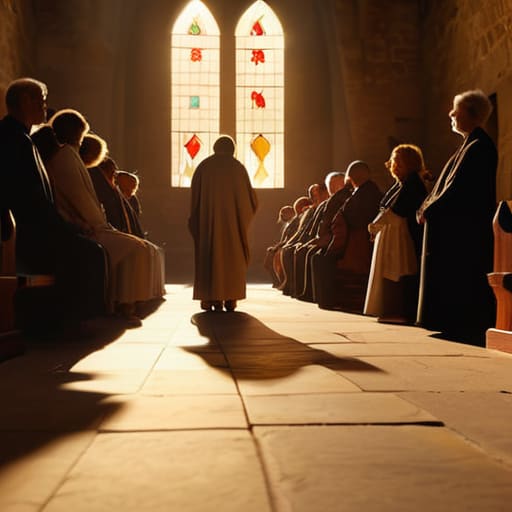
There is a certain warmth that comes from gathering under a shared roof, a sense of belonging that is hard to replicate when we sit alone in contemplation. This is perhaps the most visible strength of organized religion; it provides a scaffolding of tradition and a collective rhythm through liturgy and ceremony. When we participate in these rituals, we aren’t just performing tasks; we are tapping into a centuries-old heartbeat. The role of community in religion acts as a safety net, offering a structured way to celebrate life’s joys and navigate its deepest sorrows alongside others who hold similar maps of the sacred.
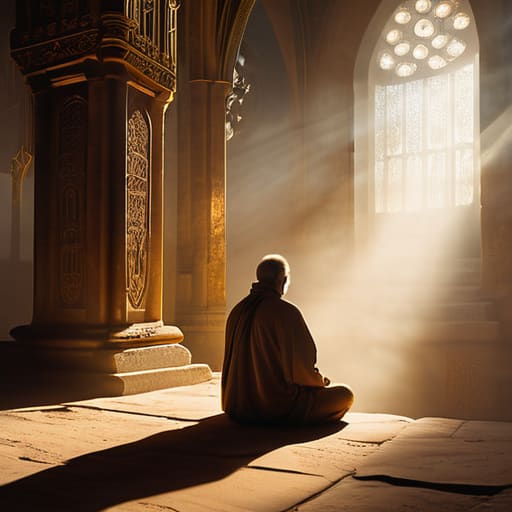
However, I’ve found that while a congregation can offer profound support, the individualistic spiritual journey often seeks a different kind of intimacy. While religion provides the communal vessel, spirituality is the water within—fluid, personal, and sometimes difficult to contain. You might find your deepest connection to the divine not in a crowded cathedral, but in the silent, rhythmic sway of a Tai Chi form as the morning mist clings to the trees. Both paths hold value; one offers the strength of the many, while the other offers the unfiltered discovery of the self.
Finding a Deeper Connection to the Divine Within
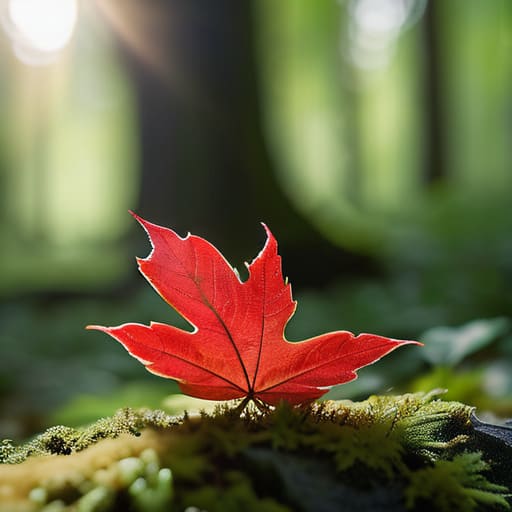
During my Tai Chi practice this morning, I noticed a single maple leaf resting on a mossy stone, its veins tracing a pattern so intricate it felt like a map of something much larger than itself. In those quiet moments, I realized that while many find their way to the sacred through the structured liturgy of a church or temple, there is a different kind of resonance found in the stillness. This is the essence of an individualistic spiritual journey—the realization that the sacred isn’t always found behind a pulpit, but often in the silent spaces between our breaths.
When we shift our focus from external doctrines to the internal landscape, we begin finding meaning through spirituality in a way that feels deeply personal and unmediated. It isn’t about rejecting the traditions of our ancestors, but rather about recognizing that the connection to the divine can be as intimate as the sunlight warming your skin during a morning walk. It is a move from the collective “we” of ritual to the profound, quiet “I am” of the soul, where the divine is not a distant judge, but a constant, pulsing presence within.
Navigating Your Own Compass: Five Ways to Honor Both Path and Presence
- Recognize that religion often provides the map, while spirituality is the actual walking of the trail; one offers the structure of tradition, while the other offers the raw, unscripted experience of the journey.
- View rituals not as rigid obligations, but as anchors; religion uses them to keep a community steady, whereas spirituality allows you to use them as personal touchstones to ground your own wandering spirit.
- Distinguish between seeking answers in ancient texts and seeking them in the silence of your own breath; both have value, but one looks outward at a collective wisdom, while the other looks inward at a personal truth.
- Embrace the difference between belonging and becoming; religion often asks you to belong to a specific lineage, while spirituality asks you to focus on the continuous process of becoming more authentically yourself.
- Understand that structure can be a trellis for growth, but don’t mistake the trellis for the vine; use the frameworks of organized faith if they support you, but never let them stifle the wild, natural expansion of your individual soul.
The Path and the Journey
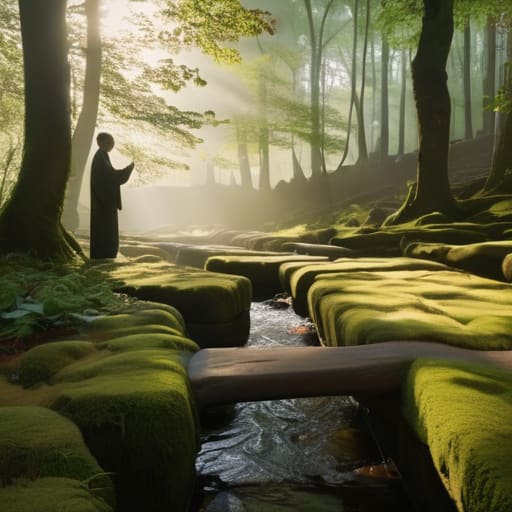
As we sit with these reflections, it becomes clear that neither religion nor spirituality is “better” or more valid than the other; they simply offer different ways to navigate the vast landscape of the human experience. While religion provides the sturdy, well-trodden architecture of shared ritual and communal tradition, spirituality offers the quiet, unscripted freedom to seek the divine in the rustle of the wind or the stillness of your own breath. One provides the map, while the other invites you to feel the texture of the earth beneath your feet. Ultimately, whether you find your sanctuary in a cathedral or in the solitary rhythm of a morning Tai Chi practice, the goal remains the same: to find a sense of meaningful connection to something greater than ourselves.
I often think of the maple leaves I collect during my walks—some are pressed neatly into books, preserved by structure, while others dance wildly in the breeze before settling in their own unique way. Your journey doesn’t have to be a choice between the two; it can be a beautiful, seamless integration of both. May you find the strength to honor the traditions that ground you, but also the courage to wander into the quiet, untamed spaces of your own soul. Trust that wherever you land, you are exactly where you need to be.
As you begin to navigate these waters, you might find that your spiritual curiosity naturally pulls you toward others who are also seeking a sense of belonging or a shared rhythm of life. Whether you are looking for the structured fellowship of a local congregation or simply want to experience the warmth of human connection in a new environment, reaching out can be a beautiful way to ground your practice. If you happen to be exploring a new city and feel the need to bridge that gap through meaningful conversation, meeting people in Toronto or in any new landscape can serve as a gentle way to cultivate community and remind yourself that no one has to walk the path of discovery alone. It is often in these unplanned encounters that we find the most profound reflections on our own journey.