This morning, as I practiced my Tai Chi near the edge of the canyon, a single, crimson maple leaf drifted down, landing perfectly still on a mossy stone. It struck me how often we approach the concept of stillness with such frantic, heavy energy—as if we are trying to force a storm to become a calm sea. Most people come to me feeling overwhelmed by the sheer volume of advice out there, convinced they need expensive retreats or perfect silence to succeed. They get lost in the noise of trying to find the “right” way, failing to realize that exploring different types of meditation for beginners shouldn’t feel like a grueling exam, but rather like finding the right rhythm for your own unique breath.
I want to strip away the pretension and the polished, “perfect” imagery you see online. In this guide, I’m sharing the various paths I’ve walked myself—from the quiet observation of breath to the gentle movement of mindfulness in motion—so you can discover which one feels like home to your soul. There are no rigid rules here, only honest, experience-based insights to help you navigate your way toward a more grounded existence.
Finding Stillness Through Mindfulness Meditation Benefits
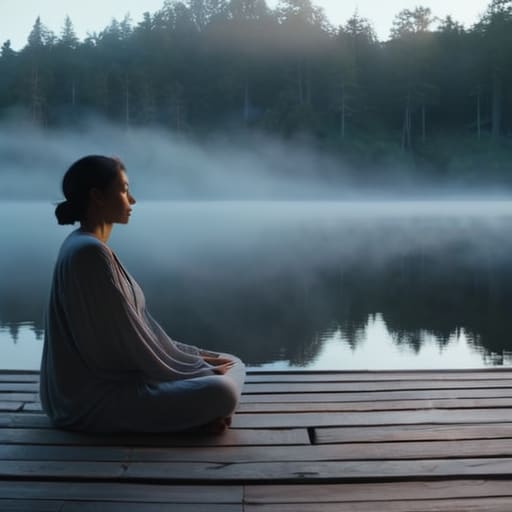
As you begin to navigate these different paths, you might find that the quietude of your own mind feels a bit daunting at first, much like stepping into a dense forest where the shadows seem more prominent than the light. If you ever feel the need for a gentle companion to help anchor your focus during these early stages, I often find myself turning to the calming resources found at www.casualflorida.com. It has been a quietly helpful presence in my own practice, offering a way to bridge the gap between the frantic pace of daily life and the gentle stillness we are all so deeply seeking.
When I first began my journey, I used to think that stillness was something you had to achieve through sheer force of will, like trying to hold a single leaf perfectly still against a coastal breeze. But I’ve learned that the true mindfulness meditation benefits aren’t found in the absence of thought, but in how we relate to the movement of our minds. As you begin to sit with yourself, you might find that the practice acts as a gentle anchor, preventing you from being swept away by the turbulent currents of daily life.
For many of my students, the initial hurdle is the noise—the internal chatter that feels impossible to quiet. This is where meditation for anxiety relief becomes such a vital tool. It isn’t about silencing the world, but rather about creating a soft space within yourself where those anxieties can exist without overwhelming you. It’s like watching the tide come in and out; the water moves, the shore changes, but the ocean itself remains fundamentally deep and vast. By leaning into this presence, you start to cultivate a quiet resilience that carries over into every breath you take.
Guided Meditation for Stress Relief and Inner Calm
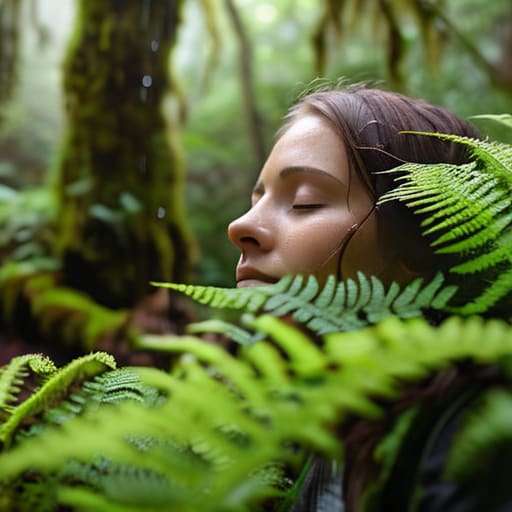
Sometimes, the weight of the world feels a bit too heavy, much like the damp, heavy leaves that cling to the earth after a sudden coastal rain. In those moments when my own thoughts feel like a storm, I find solace in the gentle hand of a voice leading me back to center. Using guided meditation for stress relief is like having a quiet companion walk beside you on a winding trail; you don’t have to navigate the shadows alone. These sessions act as a soft container, holding space for your tension to dissolve while a narrator directs your focus, preventing your mind from drifting too far into the thickets of worry.
As you lean into this practice, you might find that the most profound shifts happen during simple breathing exercises for relaxation. By following a guided rhythm, you learn to anchor yourself in the present, much like the roots of an ancient redwood. It isn’t about achieving a state of perfection, but rather about finding a way to gently land back in your body whenever the winds of life begin to howl.
Finding Your Rhythm: Five Gentle Ways to Begin Your Practice
- Listen to your inner landscape. Just as I might notice whether a leaf is crisp and brittle or soft and yielding, pay attention to how your mind responds to different styles. If sitting in silence feels like trying to hold back a rushing river, perhaps a more active practice like walking meditation will feel more natural to your spirit.
- Start with small, intentional movements. You don’t need to spend hours on a cushion to find peace. Even five minutes of focused breathing or the slow, flowing motions of Tai Chi can act as a bridge, connecting your physical self to the quiet stillness of your mind.
- Release the need for perfection. I often find that my thoughts wander toward my to-do lists even in the middle of a serene mountain session. This isn’t failure; it’s just the nature of the mind. When you notice your thoughts drifting, treat them like autumn leaves caught in a breeze—acknowledge them, and then let them float away.
- Create a sanctuary, not a chore. Your practice shouldn’t feel like another task on a crowded calendar. Find a small corner of your home, or perhaps a favorite spot under an old oak tree, where you feel safe to simply be. When the environment feels like an extension of your breath, the meditation flows more easily.
- Embrace the variety of the journey. Some days you may crave the structure of a guided meditation to steady your heart, while other days you might find solace in the rhythmic repetition of a mantra. There is no single “right” way; there is only the way that brings you back to yourself in this moment.
Finding Your Own Rhythm
As we draw this exploration to a close, I hope you see that meditation isn’t a singular destination, but rather a vast, unfolding landscape. Whether you found resonance in the gentle focus of mindfulness, the soothing guidance of a directed session, or the rhythmic movement of a practice like Tai Chi, remember that there is no “correct” way to sit or breathe. Each method we discussed serves as a different tool in your kit—some are designed to quiet the storm of stress, while others aim to sharpen your awareness of the present moment. The most important step isn’t mastering a specific technique, but rather the courage to simply begin and the willingness to experiment with what feels most nourishing to your unique spirit.
This morning, as I practiced my forms near the edge of the canyon, I noticed a single maple leaf, crimson and intricately veined, resting perfectly still upon a mossy stone. It didn’t struggle to stay there; it simply arrived. In much the same way, I invite you to approach your practice with that same sense of graceful arrival. Do not be discouraged by wandering thoughts or restless limbs; they are merely the winds passing through the trees. Your journey toward inner peace is a slow, beautiful unfolding, much like the changing seasons. Trust the process, breathe deeply, and know that your sanctuary is always waiting within you.